Thrift Flipping for Beginners: A Complete 2026 Guide
Verified 2026-07-21.
Thrift flipping is buying secondhand items cheap and reselling them for more, and the honest margins are good enough to be worth learning: a $5 thrift find selling for $40 to $80 is entirely normal, with typical margins running 60 to 120 percent. This guide covers the beginner categories that actually sell, where to source them in 2026, how to price anything in under a minute, and how to start with $50 without losing it while you learn.
Key takeaways
- Typical thrift-flip margins run 60-120 percent; a $5 find reselling for $40-$80 is normal.
- Start with easy, checkable categories: books by ISBN, complete board games, LEGO by set number, jeans, and athletic shoes.
- Facebook Marketplace is the highest-volume source in 2026; thrift stores restock daily, and morning shoppers get fresh inventory.
- Price from eBay sold listings, not active ones, which takes under 60 seconds once the app is on your phone.
- You can start with $50-100 by focusing on items under $8 that resell for $25-60, keeping risk low while you learn.
What thrift flipping is, and the honest margins
Thrift flipping means sourcing secondhand goods below their resale value and selling them on for a profit. It is not a get-rich scheme, but the margins are genuinely good: typical sourced pieces run 60 to 120 percent margin, and a $5 thrift find reselling for $40-$80 is an ordinary result, not a lucky one.
The skill that makes it work is not hunting for treasure, it is knowing resale value on sight so you buy the right things cheaply and skip the rest. Everything below is aimed at building that judgment: which categories are easiest to learn, where to find them, and how to check a price fast enough to decide in the aisle. Get those three right and the margins take care of themselves.
The best beginner categories
Start where the value is easy to verify, so you are not guessing. These categories reward a beginner because a quick check tells you exactly what a piece is worth.
- Books by ISBN: scan the barcode and eBay prices it instantly. Low buy cost, easy to check.
- Complete board games: roughly a $3-$8 buy for a $20-$50 sell, as long as the game is complete.
- LEGO by set number: about $10-$20 to $40-$80; the set number makes pricing exact.
- Levi’s and Wrangler jeans: consistent demand and easy to identify.
- Nike and Adidas athletic shoes: strong, checkable resale.
The common thread is a unique identifier, an ISBN, a set number, a model, that lets you look up an exact sold price instead of estimating. That is what makes these safe first flips.

The higher-profit categories, once you know your stuff
As your eye develops, vintage clothing is where the bigger margins live, because condition and desirability, not a barcode, set the price. A 1970s Levi’s denim jacket bought for $20 can sell for upwards of $150 on eBay or Poshmark.
Sought-after categories include Y2K streetwear, 90s band tees (Metallica, Nirvana, Tupac), vintage denim like Levi’s 501s, Ralph Lauren and Polo Sport, anything Carhartt, and single-stitch tees from the 80s and 90s. These reward knowledge: you need to recognise a real vintage piece, date it, and judge condition, which is exactly the skill our identification guides are built to teach. The payoff for learning them is margins well above the beginner categories.
Where to source in 2026
Different sources suit different goals.
- Facebook Marketplace is the highest-volume source in 2026, good for bulk and local pickups.
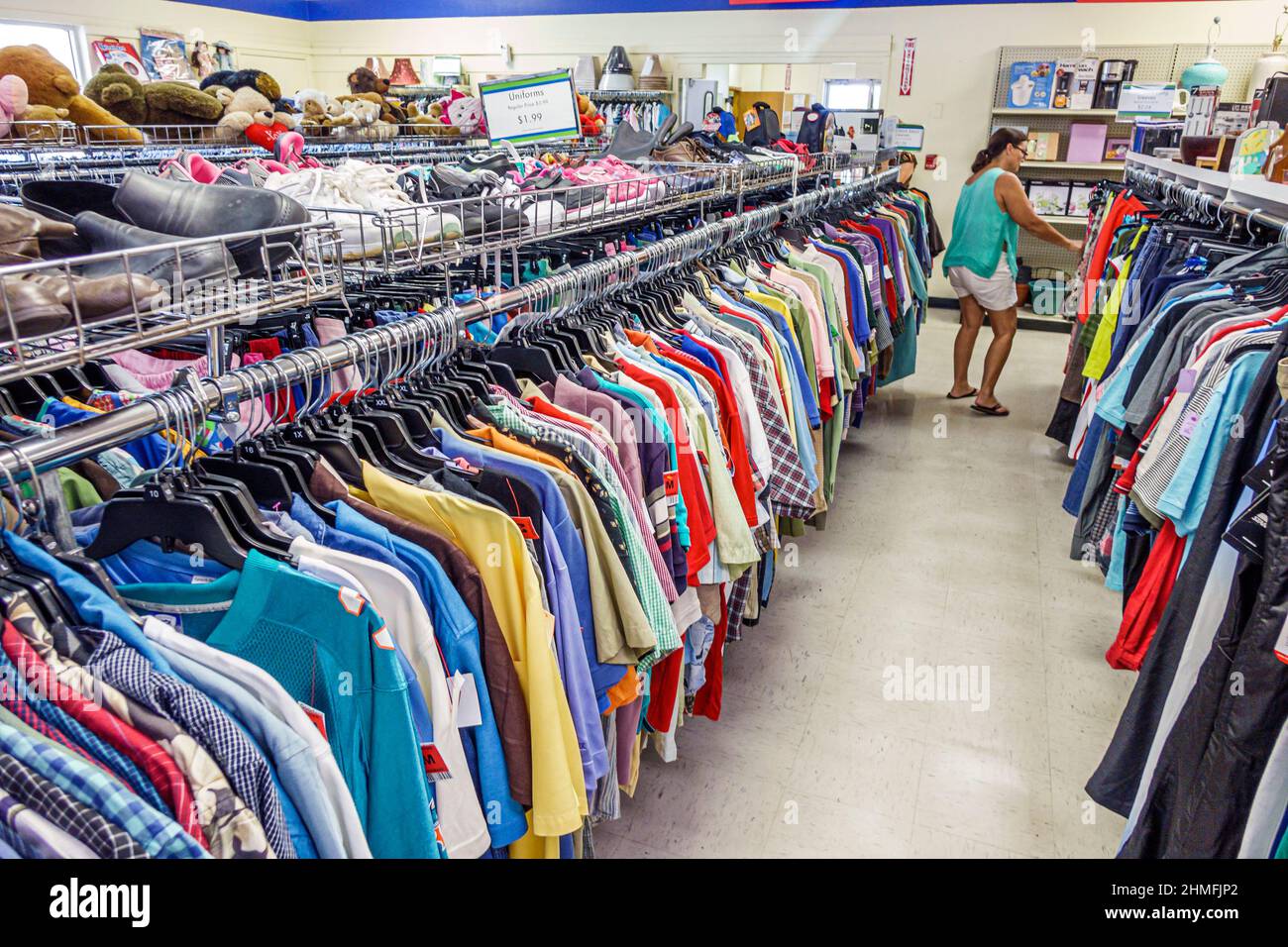
- Thrift stores restock daily, and the best inventory appears within hours of donation processing, so morning shoppers find fresh stock before the afternoon crowd. Learn your local stores’ restock rhythm.
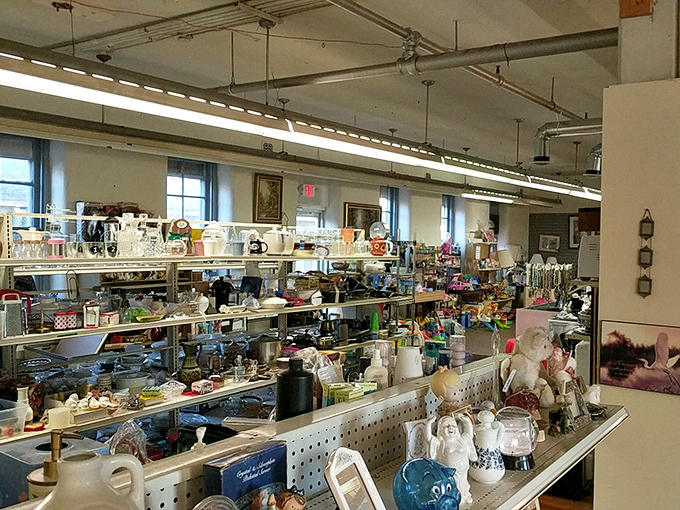
- Estate sales and garage sales remain excellent for specialised categories where you have knowledge and can spot underpriced pieces others walk past.
For a beginner, a weekly loop of a couple of thrift stores plus a Facebook Marketplace scan is enough volume to learn on without spreading yourself thin. Depth in a few sources beats a shallow pass over many.
How to price anything in 60 seconds
The single most important habit is pricing from real sales, not hopeful listings. On the eBay app, search the item name or scan its barcode, tap Filters, and enable Sold Items. That shows actual completed sale prices instead of what sellers are asking.
Read the results as a range and match the condition to the piece in your hand. Once the app is set up, this takes under 60 seconds, which is fast enough to check before you buy. Make this automatic: never pay for an item you have not sold-comped, because the gap between asking prices and sold prices is exactly where beginners lose money.
How to start with $50 and not lose it
You can begin with $50-$100. Keep the risk low by focusing on items under $8 that resell for $25-$60, so a single mistake costs you a few dollars, not a real loss.
Spread that first budget across several cheap, checkable items rather than one expensive gamble, and only buy what you have sold-comped. As pieces sell, roll the proceeds back into slightly better inventory. Reach a broader audience by listing across the platforms that fit your items, Facebook Marketplace and Craigslist for local and bulky goods, Depop and Mercari for fashion and smaller pieces. The goal of the first month is not profit, it is building the price judgment that makes profit reliable afterward.
Beginner mistakes to avoid
A few errors account for most early losses:
- Buying without a sold-comp check, and paying asking-price money for sold-price value.
- Buying incomplete items, like a board game missing pieces, that lose most of their value.
- Overpaying for common items because they look old or interesting rather than because they sell.
- Ignoring condition, especially fading, stains, and damage that gut resale value.
- Spreading too thin across categories and sources before you know any of them well.
Avoid those five and stick to checkable categories, and a beginner can be profitable within the first handful of flips.
Frequently asked questions
How much money do I need to start thrift flipping?
You can start with $50-$100. Keep risk low by focusing on items under $8 that resell for $25-$60, spreading the budget across several cheap, checkable items rather than one expensive gamble, and only buying what you have already checked against sold prices.
What are the easiest things to flip for a beginner?
Categories with a unique identifier you can look up: books by ISBN, complete board games (roughly $3-$8 to $20-$50), LEGO by set number ($10-$20 to $40-$80), Levi’s and Wrangler jeans, and Nike or Adidas shoes. The identifier lets you check an exact sold price instead of guessing.
Where is the best place to source items to flip?
Facebook Marketplace is the highest-volume source in 2026, good for bulk and local pickups. Thrift stores restock daily, so morning shoppers get fresh inventory, and estate and garage sales are strong for specialised categories where you have knowledge. Depth in a few sources beats a shallow pass over many.
How do I know what a thrift item is worth?
Price from eBay sold listings, not active ones. Search or scan the item, tap Filters, and enable Sold Items to see actual completed sale prices. Read the results as a range and match the condition to your item. Once the app is set up it takes under a minute, fast enough to check before you buy.
How we checked this
Compiled beginner thrift-flip categories, typical buy/sell ranges and margins, sourcing channels, and the sold-comp pricing method from multiple reselling guides Beginner and intermediate flip categories with 2026 buy/sell ranges and margins. Collected 2026-07-21.
What this guide does not cover
This is a getting-started guide, not investment advice, and the buy/sell ranges are typical examples that vary with condition, region, timing, and demand. Resale values change, so always confirm with current sold comps for the specific item. Marketplace fees and shipping reduce your net, so factor them into any margin before you buy.
Sources
- Beginner flip categories with buy/sell ranges (board games, LEGO, books, jeans, shoes) and what the resale data shows — SaleHoo
- Thrift-store reselling margins, sourcing (Facebook Marketplace, thrift restock timing, estate sales), pricing from eBay sold listings, and starting budget — Closo