What to Sell on Etsy in 2026: Best Things That Sell
Verified 2026-08-01
The best things to sell on Etsy are handmade, personalized, and digital products that buyers cannot easily find elsewhere: printables and digital downloads, jewelry and accessories, personalized gifts, home decor and candles, and craft or party supplies. Etsy is built for unique, giftable, and made-to-order items, not mass-produced generic goods. This guide covers the categories that sell best, how to tell if an idea will sell before you commit, what to avoid, and how to find a profitable Etsy niche.

Key takeaways
- Etsy rewards handmade, personalized, and digital products that feel unique, not mass-produced generic items.
- Digital products and printables are among the most profitable, because they have near-zero cost and no shipping.
- Before committing to any idea, check Etsy search and sold interest to confirm real demand and manageable competition.
- Personalization and a giftable angle lift almost any category, because Etsy buyers shop heavily for gifts.
- The most successful sellers niche down rather than listing a little of everything.
What sells best on Etsy? The short answer
Etsy is built for the unique, handmade, personalized, and giftable, so those are the things that sell. The consistently strong categories are digital products and printables, jewelry and accessories, stickers, personalized and custom gifts, home decor and candles, and craft, party, and wedding supplies, plus genuine vintage.
What these share is that buyers come to Etsy specifically to find them, and often to buy a gift or something made to order that a big retailer does not offer. A personalized item, a beautiful printable, or a handcrafted piece is exactly what Etsy’s audience is browsing for.
But no category list beats checking the data. The best thing to sell is whatever has proven demand and a workable margin for you, in a niche you can actually stand out in. The categories below are where that demand most often lives, and the next section shows how to validate an idea before you invest time in it.
How to tell if something will sell (before you list)
This is the most important skill, and it beats copying a trending idea. Before committing to a product, answer three questions using Etsy itself:
- Is there demand? Search your idea on Etsy. Do listings appear with lots of reviews and sales? Reviews are a public signal that items are actually selling.
- Is the competition manageable? If the first page is dominated by huge, established shops with thousands of reviews, a brand-new listing will struggle. Look for a niche or angle where you can stand out.
- Is there margin? After Etsy’s fees (roughly 10 to 12 percent plus the $0.20 listing fee) and your materials and shipping, does the price leave a profit?
The goal is to find the overlap of real demand, beatable competition, and a healthy margin. Trending does not mean profitable if the market is already saturated. Validating an idea this way, before you make or source inventory, is what separates sellers who build steady sales from those who list and hope.
Digital products and printables
Digital products are among the most profitable things to sell on Etsy, because they have near-zero marginal cost and no shipping: you create the file once and sell it repeatedly.
What sells well:
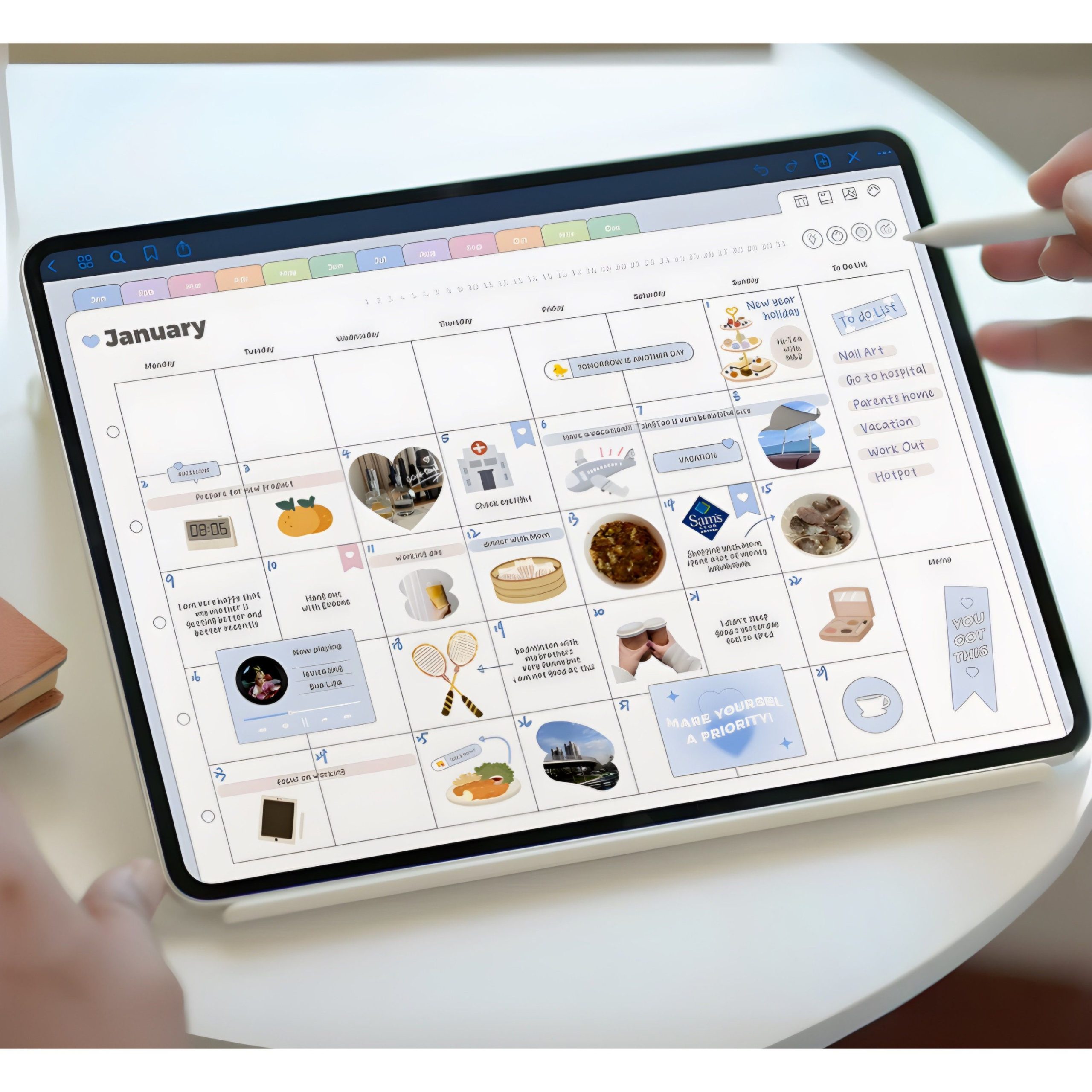
- Printables: planners, budget trackers, checklists, calendars, and worksheets.
- Wall art and prints as instant downloads.
- Templates: resume templates, invitations, social media and Canva templates.
- Digital tools: SVG cut files for crafters, patterns, and educational resources.
The appeal is obvious: no inventory, no packing, no postage, and a product that scales. The catch is competition and design quality, since anyone can list a digital file. You win with genuinely useful, well-designed products in a specific niche, strong keywords, and clear preview images. For a maker who would rather design than ship, digital products are the most efficient corner of Etsy.
Jewelry, accessories, and stickers
These are Etsy staples with steady, gift-driven demand.
- Jewelry is one of Etsy’s largest categories: handmade and personalized pieces, minimalist and dainty styles, birthstone and name jewelry, and permanent-jewelry-style pieces. Personalization lifts sales sharply.
- Accessories like hair clips, scrunchies, bags, and keychains sell as small, affordable, giftable items.
- Stickers are a beloved Etsy niche: laptop and water-bottle stickers, planner stickers, and sticker sheets. They are cheap to produce, easy to ship, and highly browsable.
The common thread is that these are small, affordable, giftable, and easy to ship, which suits Etsy’s browse-and-gift audience. Competition is real, so a distinct style or a personalization angle is what makes a shop stand out. For makers who like small, repeatable products, jewelry, accessories, and stickers are reliable places to start.

Personalized and custom items
If there is one lever that lifts almost any Etsy category, it is personalization. Etsy buyers shop heavily for gifts, and a personalized item feels thoughtful in a way a generic one does not, which is why custom products command attention and often a higher price.
What sells well:
- Personalized gifts: name signs, engraved items, custom portraits, and monogrammed goods.
- Custom occasion items: wedding, birthday, baby, and anniversary pieces.
- Made-to-order apparel and decor with the buyer’s name, date, or design.
The trade-off is that personalization means more hands-on work per order and clear communication about proofs and turnaround. But it also means less direct competition, because a custom product is not a commodity. Adding a personalization option to an existing product line is one of the simplest ways to increase both sales and price on Etsy.

Home decor, candles, craft supplies, and vintage
Several handmade and specialty categories round out Etsy’s strengths:
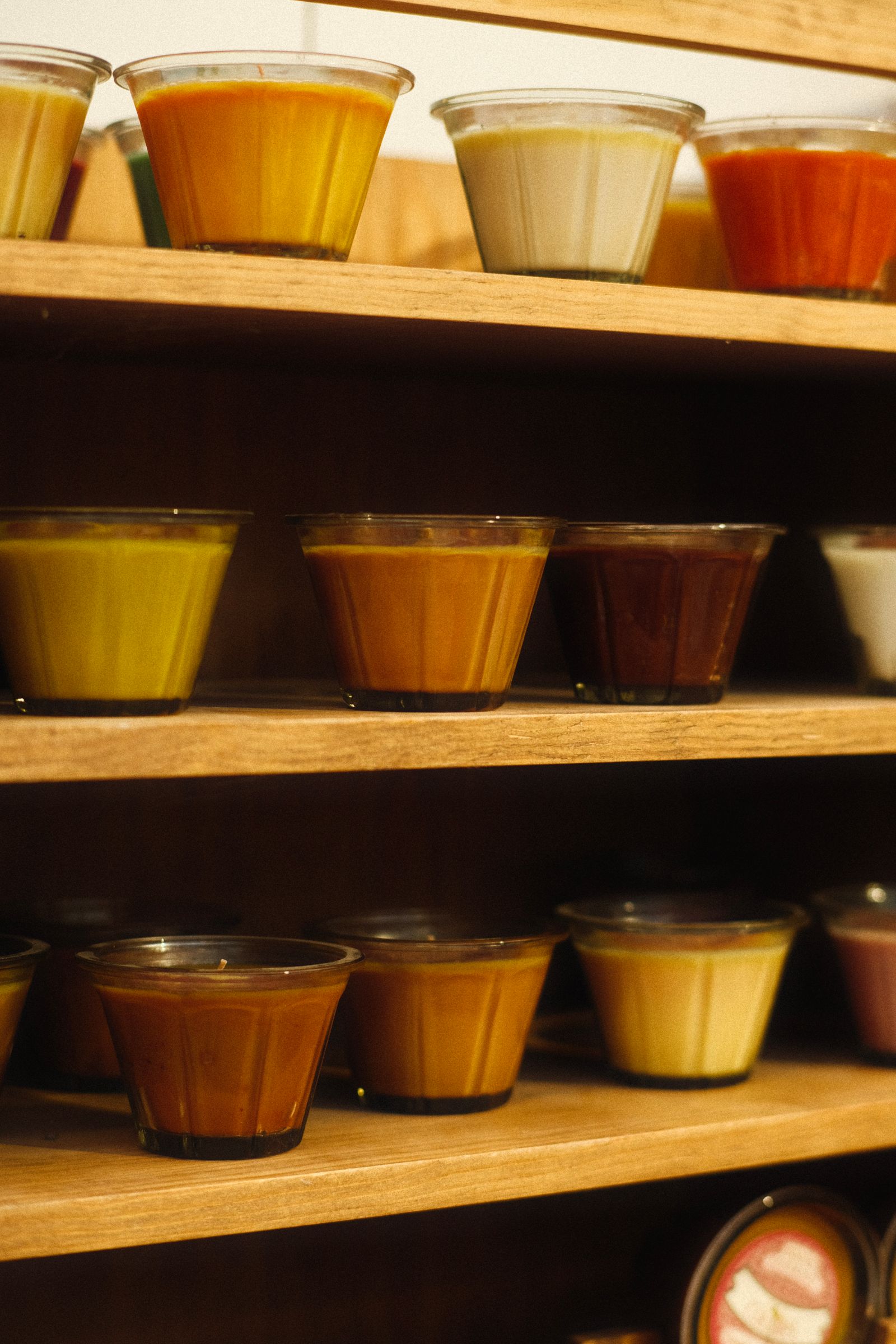
- Home and living: candles, ceramics, wall art and prints, textiles, and small decor. Giftable and seasonal, with strong demand around holidays.
- Bath and beauty: handmade soap, bath products, and natural skincare (mind the regulations for what you make).
- Craft supplies: beads, fabric, patterns, and materials for other makers, a category unique to Etsy and steadily in demand.
- Party and wedding: decorations, favors, signage, and stationery, both physical and digital.
- Vintage: genuine items at least 20 years old, from clothing to homeware, which have a dedicated Etsy audience.
Each rewards a clear style and good photography. Seasonal and occasion-driven categories (candles, wedding, party) spike around holidays and events, so timing and keywords matter. Vintage is worth calling out because it lets non-makers sell on Etsy, as long as the items genuinely meet the 20-year rule.
What to avoid selling on Etsy
Knowing what does not belong on Etsy saves wasted effort:
- Mass-produced or dropshipped generic goods. Etsy requires handmade items to be made or designed by you, and reselling factory goods as handmade violates the rules and disappoints buyers.
- Used modern items. A secondhand phone or a recent-model appliance belongs on eBay or Mercari, not Etsy. Only genuine vintage (20+ years old) fits.
- Anything you cannot legally make or sell, such as regulated cosmetics or items that infringe trademarks and copyrights (fan-art of protected brands is a common trap).
- No-demand ideas. However nice a product is, if Etsy search shows little interest, it will not sell.
The pattern: Etsy rewards unique, handmade, personalized, vintage, or digital products with real demand, and punishes generic, resold, or infringing ones. When an idea fails the search-demand test or does not fit Etsy’s categories, the best move is to rethink it rather than list it.
How to find a profitable Etsy niche
Once you know what sells, the real edge is niching down. The most successful Etsy shops are known for one thing, not a little of everything.
How to find a niche:
- Start where your skills and interests overlap with demand. A niche you understand lets you make better products and market them credibly.
- Use Etsy search to spot sub-niches with demand but beatable competition, rather than the most crowded broad terms.
- Look for a personalization or angle that differentiates a common product (a specific style, theme, or audience).
- Watch seasons and occasions, which create predictable spikes you can plan inventory around.
A focused shop is easier to rank, easier to market, and easier for buyers to trust. Whatever category you choose, the discipline is the same: validate demand on Etsy first, pick a niche you can stand out in, and price for a real margin. For the full setup, see our guide to selling on Etsy.

Frequently asked questions
What sells best on Etsy?
Handmade, personalized, and digital products that buyers cannot find easily elsewhere: digital printables and downloads, jewelry and accessories, stickers, personalized gifts, home decor and candles, and craft, party, and wedding supplies, plus genuine vintage. Etsy rewards unique and giftable items, not mass-produced generic goods.
What is the most profitable thing to sell on Etsy?
Digital products and printables are among the most profitable, because they have near-zero marginal cost and no shipping: you design a file once and sell it repeatedly. Personalized physical products also command higher prices. Profitability depends on real demand, a beatable niche, and a margin after Etsy’s fees.
How do I know if something will sell on Etsy?
Search your idea on Etsy and look for listings with lots of reviews and sales, which signal real demand. Check whether the competition is beatable rather than dominated by huge shops, and confirm there is a margin after Etsy’s fees (about 10 to 12 percent plus a $0.20 listing fee) and your costs.
Can I sell things I did not make on Etsy?
Only in specific cases. Etsy allows handmade items you make or design, genuine vintage goods at least 20 years old, and craft supplies. You cannot resell mass-produced or dropshipped goods as handmade. Used modern items belong on eBay or Mercari, not Etsy.
What should I avoid selling on Etsy?
Avoid mass-produced or dropshipped generic goods (which break Etsy’s handmade rules), used modern items, anything that infringes trademarks or copyrights such as unlicensed fan art, and ideas with no search demand. Etsy rewards unique, handmade, personalized, vintage, and digital products that buyers actually want.
Is it worth starting an Etsy shop in 2026?
Yes, if you have a product that fits Etsy (handmade, personalized, vintage, or digital) and there is demand for it. The keys are validating demand on Etsy first, niching down so you can stand out, and pricing for a real margin. Digital products are especially efficient because they scale without inventory or shipping.
What sellers are reporting
Etsy sellers on community forums consistently report that digital products and personalized items are among the most profitable, and that niching down and validating demand in Etsy search beat chasing broad trending ideas.
members of the r/Etsy and r/EtsySellers communities, community post
Sellers frequently warn that listing mass-produced or dropshipped goods as handmade breaks Etsy’s rules and leads to reviews calling the shop out, and that unlicensed fan art risks takedowns.
members of the r/Etsy community, community post
What this guide does not cover
This is general guidance on what sells well on Etsy in the US, not a guarantee that any specific product will sell or at what price. Demand, Etsy’s category rules, and fees change, so confirm with current Etsy search and Etsy’s policies before making or sourcing inventory. Some categories (like cosmetics) carry legal and regulatory requirements.
Sources
- Etsy allows handmade items made or designed by the seller, vintage goods at least 20 years old, and craft supplies, and provides seller guidance in its Seller Handbook. (Etsy)
- Breakdown of Etsy’s seller fees, used to judge margin on an idea. (Thrift Wagon)