How to Sell on Depop in 2026: A Beginner’s Guide
Verified 2026-07-28
Selling on Depop is free to start and, since it dropped its selling commission for US sellers, one of the cheapest platforms to sell on — you keep almost all of each sale minus payment processing. The catch is that Depop is a visual feed, so strong photography and a cohesive shop do the selling. This complete beginner’s guide walks through setting up your shop, photographing and listing items, pricing with offers, shipping, Depop’s 2026 fees, and how to get discovered.

Key takeaways
- Depop dropped its US selling commission, so sellers pay only payment processing — about 3.3% plus $0.45 per sale — making it very seller-friendly.
- Depop is a visual feed, so photography and a consistent shop aesthetic drive discovery more than anything else.
- Streetwear, vintage, Y2K, and unique or trend-led pieces sell best to Depop’s young audience.
- Hashtags, accurate keywords, and prompt offers are how listings get found and how interest converts.
- Sellers arrange their own shipping, so pricing the label correctly matters to protect your low-fee advantage.
Is selling on Depop worth it?
For trend-led and vintage fashion, yes — and especially for the economics. Depop removed its selling commission for US sellers, so you keep nearly all of each sale minus payment processing. That is a major advantage over platforms that take 10–20%, particularly on lower-priced items where a big cut would hurt.
The trade-off is the audience and the effort. Depop skews Gen-Z and trend-driven, so it is fantastic for streetwear, vintage, and Y2K but weaker for mainstream, older-skewing fashion. And because it is a visual feed, presentation does the selling — a mediocre photo simply won’t get discovered.
Where Depop shines is a seller with the right catalog and a good eye: low fees mean more of each sale stays with you, and a strong shop aesthetic pulls in a young, engaged audience. Where it disappoints is generic inventory shot carelessly. If you have distinctive pieces and are willing to photograph them well, Depop is genuinely worth it.
What you need before you start
Depop is phone-first and quick to set up. Have ready:
- The Depop app and a free account.
- A bank account (and identity details) to receive payouts.
- Items to sell with a distinct look — streetwear, vintage, Y2K, or trend-led pieces work best.
- Good photos. This is the big one: Depop is visual, so plan to shoot clear, styled images, ideally with consistent lighting and background across your shop.
- Shipping supplies — mailers and tape — and a rough sense of postage cost, since you arrange shipping yourself.
That is all you need. There is no listing fee and no subscription, so you can build a shop of listings at no upfront cost. The one thing worth investing in is not money but effort on photography, because it is the single biggest driver of sales on the platform.
Step 1: Set up your Depop shop
Download the app and create a free account. Then build a shop buyers trust:
- Add a shop photo, username, and a short bio that signals your style (e.g., ‘vintage & Y2K, ships from CA’).
- Connect payments and link your bank so you can receive payouts, and complete any identity verification.
- Set your shop policies — shipping approach and turnaround — so buyers know what to expect.
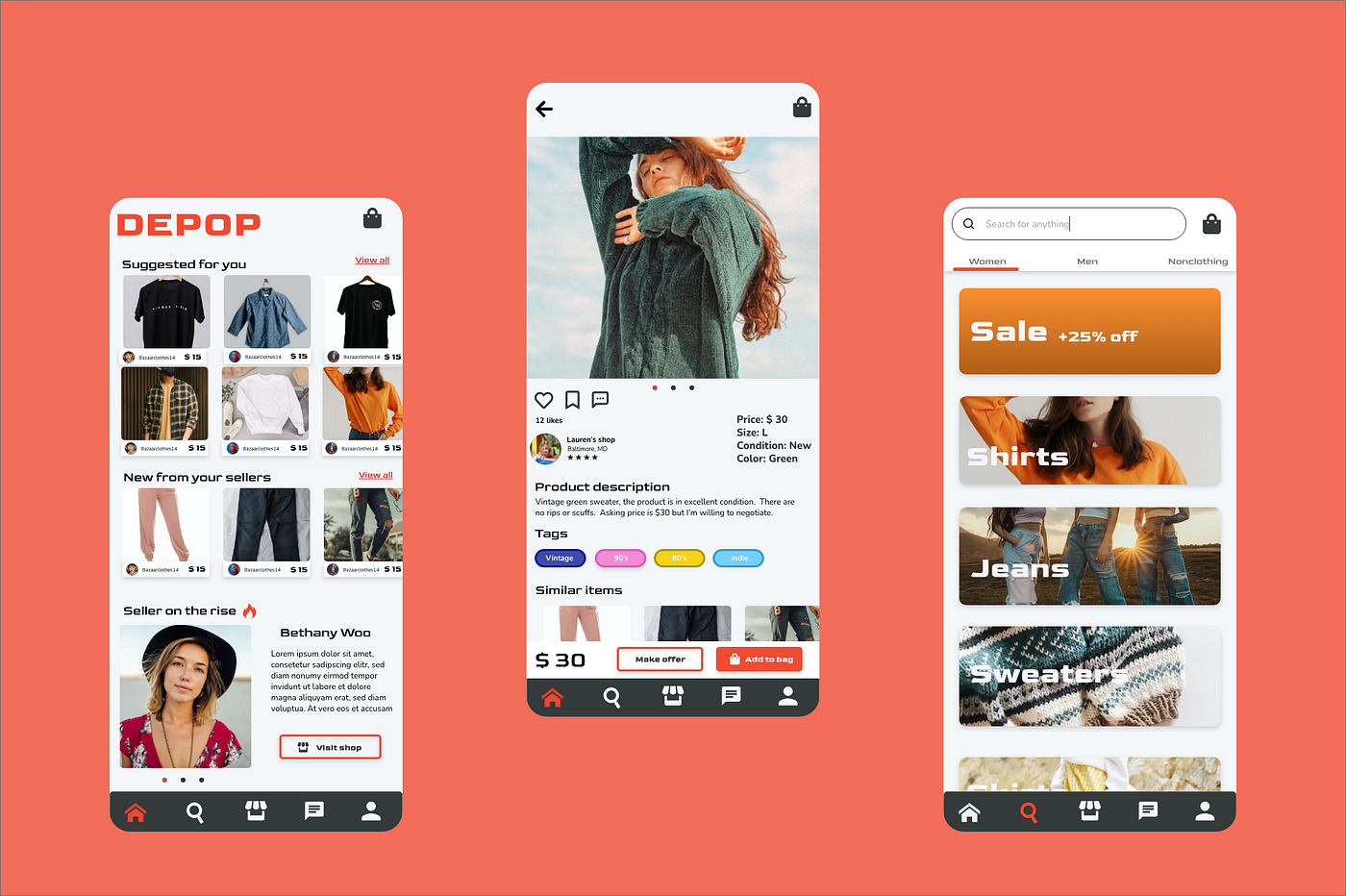
Because Depop is as much a social feed as a store, a cohesive, well-branded shop stands out immediately. Buyers browse shops the way they browse an Instagram profile, so a consistent look and a clear bio do real work. Once set up, tap Sell to create your first listing.
Step 2: Decide what to sell
Depop’s audience is young and trend-driven, so lead with what they browse for: streetwear, vintage, Y2K, thrifted and upcycled pieces, indie and niche brands, and anything with a distinct aesthetic. Unique and on-trend beats generic every time here.
Start with your own wardrobe’s more distinctive pieces, or source from thrift stores with Depop’s audience in mind. Before listing, search the item or style on Depop to see what sells and at what price, and note how similar sellers present and tag their pieces.
Avoid leading with mainstream, mass-market basics better suited to a platform like Poshmark, and skip low-quality fast fashion — it moves slowly and dilutes your shop’s look. Depop rewards a curated feed of desirable, photogenic pieces far more than a large pile of ordinary items. A focused, on-brand shop is what pulls in followers and sales.

Step 3: Photograph and list (photography is everything)
On Depop, the photo is the product. Invest here:
- Shoot in good, consistent light on a clean or on-brand background. Natural light and a simple backdrop work well.
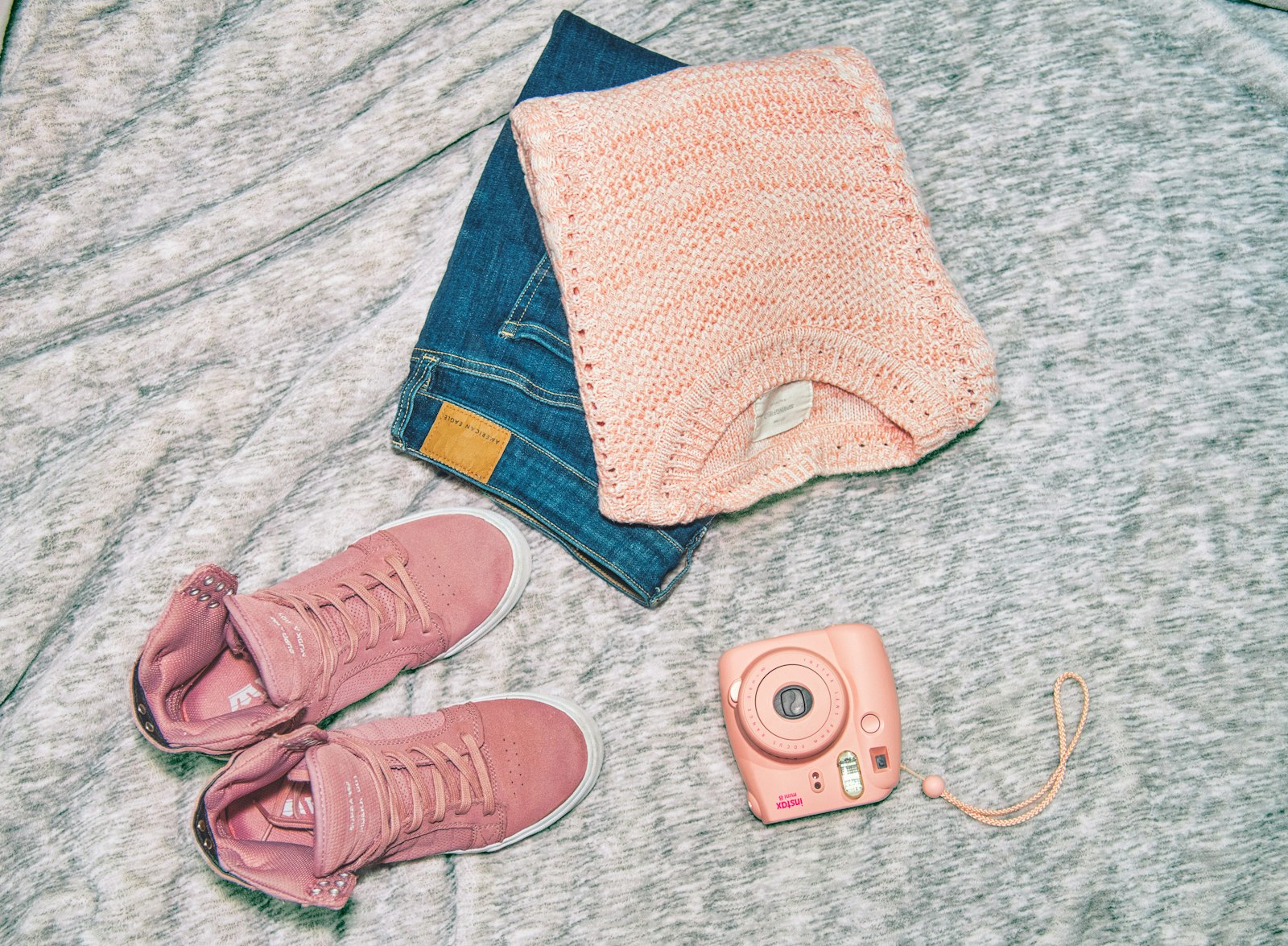
- Show the piece styled and in detail. Model shots, flat lays, and close-ups of fabric, labels, and any flaws all help. A cohesive style across listings makes your whole shop look professional.
- Use a clear, keyword-rich description. State brand, size, condition, measurements, and the style (’90s, Y2K, oversized, vintage) buyers search for.
- Add relevant hashtags. Depop discovery leans on hashtags and search terms, so tag brand, era, style, and category accurately.
A beautifully shot, well-tagged listing gets discovered and converts; a dark, cluttered one disappears no matter how good the item. This is the effort that pays off most on Depop.
Step 4: Price it, and use offers and bundles
Price from what similar items actually sold for — search comparable sold or completed pieces and price near the realistic range. Because Depop’s fees are so low, you keep more at any given price, which lets you stay competitive.
Two tools help close sales:
- Offers. Buyers can send offers, and you can send offers to people who liked an item. A quick, reasonable counter often closes the deal, and reaching out to likers converts warm interest.
- Bundles. Encourage buyers to bundle multiple items for a combined price and a shipping saving. Many Depop sellers advertise bundle discounts in their bio to lift order value.
Stay responsive — Depop buyers often message before buying — and price with a little room to negotiate. Active, reasonable pricing plus prompt replies sells far faster than posting once and waiting.
Step 5: Shipping on Depop
Unlike Poshmark’s flat label, Depop puts shipping in your hands, so get it right:
- Buy a shipping label through Depop (its integrated shipping) for tracked postage, or use your own carrier. Tracked shipping protects you against false ‘item not received’ claims.
- Decide who pays. You can charge the buyer shipping or offer free shipping with the cost built into your price. Be clear in the listing.
- Weigh and price accurately. Because you arrange it, underestimating postage eats directly into your low-fee advantage. Weigh the packed item and pick the right service.
- Pack neatly and ship promptly. Fast, tidy shipping earns good reviews, which drive future sales on a platform where buyers check seller feedback.
Managing shipping is a little more work than a flat-rate system, but done right it keeps Depop’s low fees working in your favor.
Understand Depop’s fees
Depop’s fees changed recently, so ignore older guides. In 2026, for US sellers:
- No selling commission and no listing fee — Depop removed the 10% selling fee it used to charge.
- Payment processing only — roughly 3.3% + $0.45 per transaction in the US.
- Optional boosting — you can pay to promote a listing, but it is entirely optional.
So on a $50 sale, you pay only about $2.10 in processing and keep roughly $47.90 before your shipping cost. That makes Depop one of the cheapest platforms for sellers — the main cost you control is shipping, which is why pricing the label correctly matters. Buyers pay a separate marketplace fee at checkout. For how Depop compares with Poshmark, Mercari, eBay, and Etsy, see our marketplace fee comparison, and for the safety picture, whether Depop is legit.
Getting discovered: hashtags, aesthetic, and engagement
Depop is a discovery feed, so getting seen is its own skill:
- Hashtags and keywords. Tag brand, era, style, and category accurately so your items surface in search and the explore feed. Specific tags (’90s levis’, ‘y2k baby tee’) beat generic ones.
- A cohesive shop aesthetic. A consistent photo style and vibe turns browsers into followers, and followers see your new listings first.
- Engagement. Liking, following, and replying quickly builds a community around your shop; active sellers get more visibility.
- Fresh listings and refreshes. Regularly adding and updating items keeps your shop active in the feed.
Unlike Poshmark’s share-driven model, Depop rewards presentation and consistency more than repetitive sharing. Build a shop that looks good and stays active, and discovery follows.
How to get your first sale and common mistakes to avoid
For your first sale, combine strong listings with activity: price competitively at first, shoot great photos, tag accurately, and send offers to likers. Respond fast to messages, since Depop buyers often ask before buying, and ship promptly to earn the reviews that drive future sales.
The mistakes that slow beginners down:
- Poor photos — the number-one killer on a visual platform. Shoot clearly, consistently, in good light.
- Weak or missing hashtags — leaves you invisible in discovery.
- Generic inventory — mainstream basics move slowly; lead with distinctive, on-trend pieces.
- Mispricing shipping — underestimating postage erases your low-fee advantage.
- Slow replies — Depop is conversational; unanswered messages are lost sales.
Avoid those, lean into photography and a cohesive shop, and a beginner with the right catalog can do very well on Depop — keeping more of each sale than almost anywhere else.

Frequently asked questions
Is it free to sell on Depop?
Yes. Listing is free, and Depop removed its selling commission for US sellers, so you pay only payment processing of about 3.3% plus $0.45 per transaction. There is no listing fee or subscription, though optional paid boosting is available to promote listings.
How does selling on Depop work?
You photograph and list an item, buyers discover it through the feed, search, and hashtags, and someone buys or makes an offer. You arrange shipping — buying a tracked label through Depop or using your own postage — and once the buyer receives the item, your payout is released minus processing fees.
What sells best on Depop?
Streetwear, vintage, Y2K, thrifted and upcycled pieces, indie brands, and anything with a distinct, on-trend aesthetic, sold to a young audience. Unique and photogenic beats generic. Mainstream mass-market basics and low-quality fast fashion move slowly, so lead with distinctive pieces.
How do I sell fast on Depop?
Invest in photography — clear, styled, consistent images — and tag listings accurately with brand, era, and style. Price from sold comps with room to negotiate, send offers to people who like your items, reply to messages quickly, and keep your shop active with fresh listings.
How much does Depop take from a sale?
For US sellers, Depop takes no selling commission — only payment processing of about 3.3% plus $0.45 per transaction. So on a $50 sale you pay roughly $2.10 and keep about $47.90 before your shipping cost, making it one of the cheapest platforms for sellers.
Who handles shipping on Depop?
The seller does. You buy a tracked shipping label through Depop’s integrated shipping or use your own postage, and decide whether the buyer pays or you offer free shipping with the cost built into the price. Weigh the item and price the label accurately so it doesn’t eat your low-fee advantage.
What sellers are reporting
New Depop sellers on community forums consistently credit strong, consistent photography and accurate hashtags as the biggest drivers of getting discovered and making sales, and warn that dark or cluttered photos leave items unseen.
— members of the r/Depop community, community post
Sellers frequently report that sending offers to likers and advertising bundle discounts converts browsers into buyers faster than waiting on fixed-price listings.
— members of the r/Depop community, community post
What this guide does not cover
This is a general getting-started guide for selling on Depop in the US, not legal, tax, or financial advice. Fees, shipping options, and features change over time and differ by country, so confirm current details on Depop. Whether your selling counts as a business for tax purposes depends on your situation.
Sources
- Depop removed its selling commission for US sellers, leaving only payment processing fees. — Depop Newsroom
- Marketplace fee comparison across eBay, Poshmark, Etsy, Mercari, and Depop. — Thrift Wagon