Is Etsy Legit? The Complete 2026 Safety Guide
Verified 2026-07-28
Yes, Etsy is legit. It is a large, publicly traded marketplace for handmade goods, vintage items, and craft supplies, with more than twenty years of history and buyer protection on qualifying orders. The risk is not the platform but individual shops — and, uniquely to Etsy, resellers passing mass-produced items off as handmade. This guide explains how Etsy works, what its Purchase Protection covers, the common scams and pitfalls, whether ‘handmade’ is really handmade, and how to buy and sell safely.

Key takeaways
- Etsy is a legitimate, publicly traded marketplace; the risk is individual shops and resellers, not the platform.
- Etsy Purchase Protection can refund qualifying orders, but only when you pay through Etsy — off-platform payments are uncovered.
- If an order goes wrong, contact the seller first; if it is unresolved after 48 hours, you can ask Etsy to step in.
- The most Etsy-specific pitfall is not fraud but resellers listing mass-produced goods as handmade, so check reviews and shop details.
- Keeping payment and messaging on Etsy is the single habit that keeps buyers and sellers protected.
Is Etsy legit? The short answer
Etsy is a legitimate, established company, not a scam site. It launched in 2005, is publicly traded on the stock market, and hosts millions of sellers and buyers trading handmade goods, vintage items (20+ years old), and craft supplies. It is one of the largest marketplaces in the world for those categories.
That corporate legitimacy does not mean every shop is trustworthy. Etsy is a marketplace, so you buy from independent sellers whose quality and honesty vary. What Etsy provides is the infrastructure that protects you: secure payments through Etsy Payments, a Purchase Protection program, reviews, and a dispute process.
So Etsy is legit, and buying on it is safe as long as you pay through Etsy, buy from shops with a track record, and know what you are actually buying. The one wrinkle unique to Etsy — resellers passing off mass-produced items as handmade — is a quality issue more than a fraud one, and it is covered in its own section below.
What Etsy is and how it works
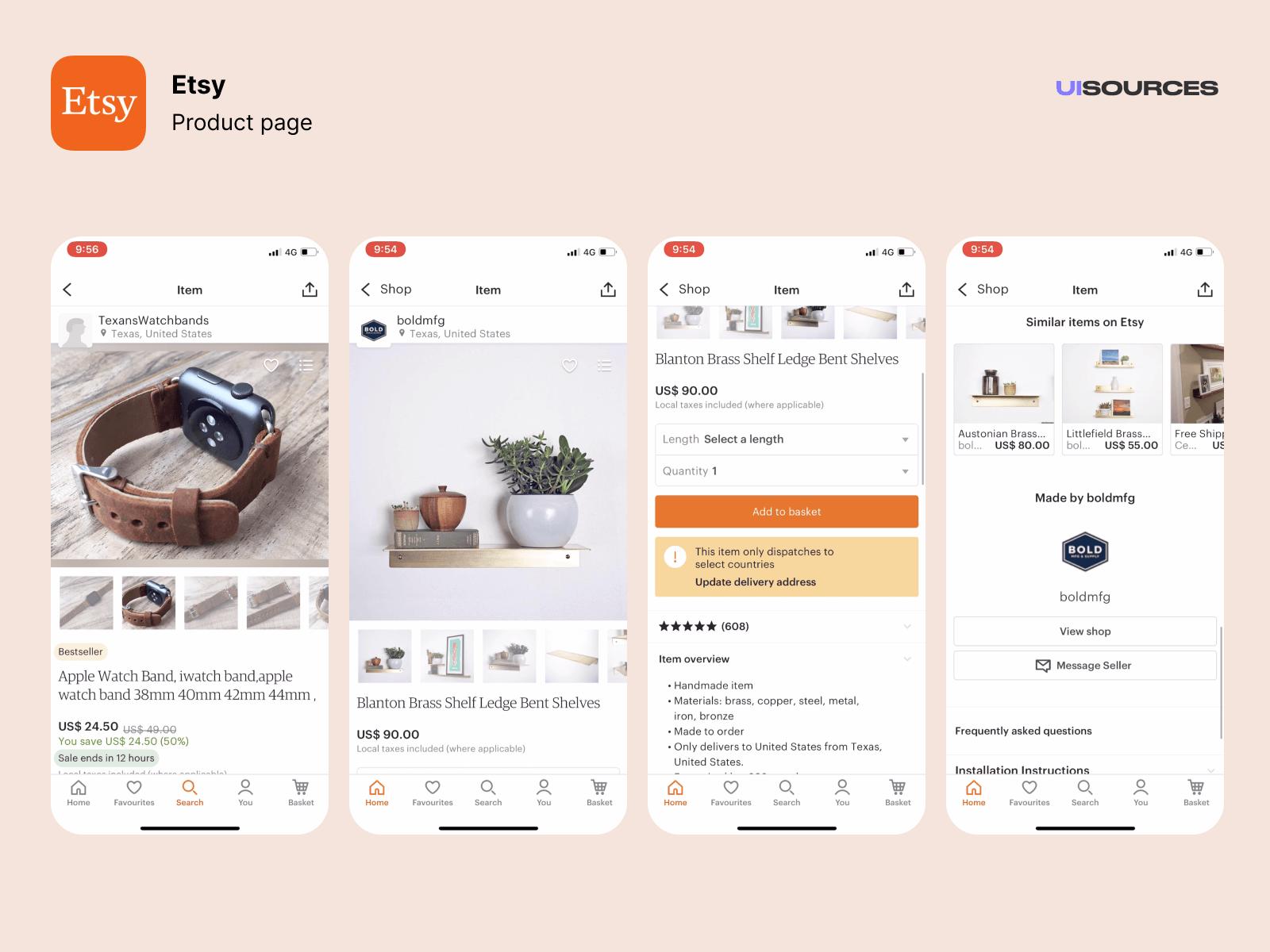
Etsy is a marketplace for three things: handmade items made or designed by the seller, vintage items at least 20 years old, and craft supplies. Sellers list products, buyers purchase and pay through Etsy Payments, and the seller ships (or, for digital products, delivers a download).
The safety mechanics come from Etsy handling the payment. When you buy, your payment is processed by Etsy, which gives you a record, a review system, and access to Etsy’s Purchase Protection and dispute process if something goes wrong. Messaging happens through Etsy, so there is a paper trail.
Because sellers are independent, the experience varies from shop to shop — a one-person studio, a small business, or, less ideally, a reseller. Etsy’s tools (reviews, protection, on-platform payment) are what let you buy confidently across that range. Using them, rather than trusting a listing at face value, is the core of buying safely.
Etsy’s Purchase Protection: exactly what is covered
Qualifying orders on Etsy are backed by Etsy Purchase Protection. It is designed to make sure you get what you paid for, and it covers cases where an item:
- Never arrives.
- Arrives damaged.
- Is not as described — materially different from the listing.
When a qualifying order has one of these problems, Etsy can step in and refund the buyer (Etsy covers buyer refunds up to a set amount per order on eligible cases). It is not an insurance policy or a guarantee, and Etsy decides eligibility, but in practice it gives buyers real recourse.
The limits matter. Protection applies to orders paid through Etsy — anything paid off-platform is uncovered. It also expects the basics to be met: the item shipped to the address on the order within the seller’s stated processing time. It does not cover buyer’s remorse. As with every marketplace, on-platform payment is the thing that keeps you protected.
The one rule that keeps you safe: keep payment on Etsy
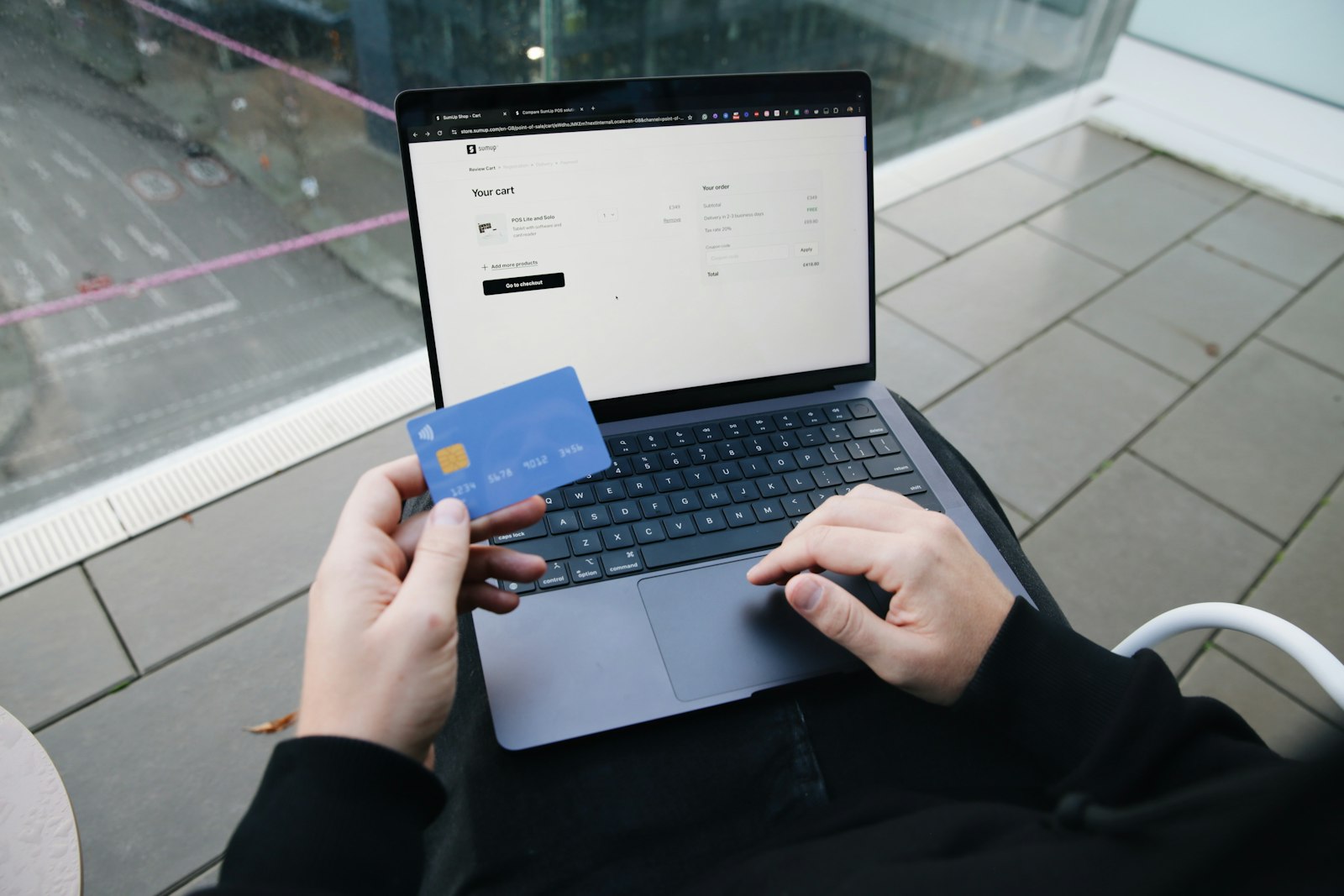
The single most important habit on Etsy is this: only ever pay through Etsy, and keep all messaging on Etsy.
Every protection Etsy offers — Purchase Protection, the dispute process, refunds — is attached to paying through Etsy Payments. A seller who asks you to pay by PayPal Friends and Family, Venmo, bank transfer, or to ‘complete the order’ over email or another site is asking you to give up all of it. Off-platform, there is no protection; if the item never comes or is wrong, the money is simply gone.
This is most common with new shops offering suspiciously good deals, or a seller claiming a ‘discount’ for paying directly. It is against Etsy’s rules, and it is the clearest red flag there is. Treat any request to pay outside Etsy as an automatic no, and report the shop. Keeping the transaction on Etsy is what turns ‘an independent seller’ into ‘a protected purchase.’
The common Etsy scams and pitfalls, in detail
Most Etsy problems fall into a few buckets, and only some are outright fraud.
Off-platform payment
The headline fraud risk: any request to pay outside Etsy voids all protection. It is the most common way people lose real money.
Fake or fly-by-night shops
A brand-new shop with no reviews, stock photos, and prices too good to be true may take orders and never ship. Established shops with real reviews are the defense.
Resellers posing as handmade
The most Etsy-specific issue: a shop lists mass-produced or dropshipped items as handmade. You receive a real product, but not the handcrafted one you thought you were buying. This is a quality and authenticity problem more than theft, and reviews and shop details usually expose it (more below).
Digital-product and copyright traps
With downloads, watch for items that resell someone else’s work or free templates. Check reviews and the shop’s other listings.
Phishing
Emails or messages claiming to be Etsy asking you to ‘verify’ your account or password. Etsy will not ask for your password; log in directly rather than clicking links.

How to spot a risky shop before you buy
You can screen an Etsy shop in under a minute, and it prevents most bad purchases.
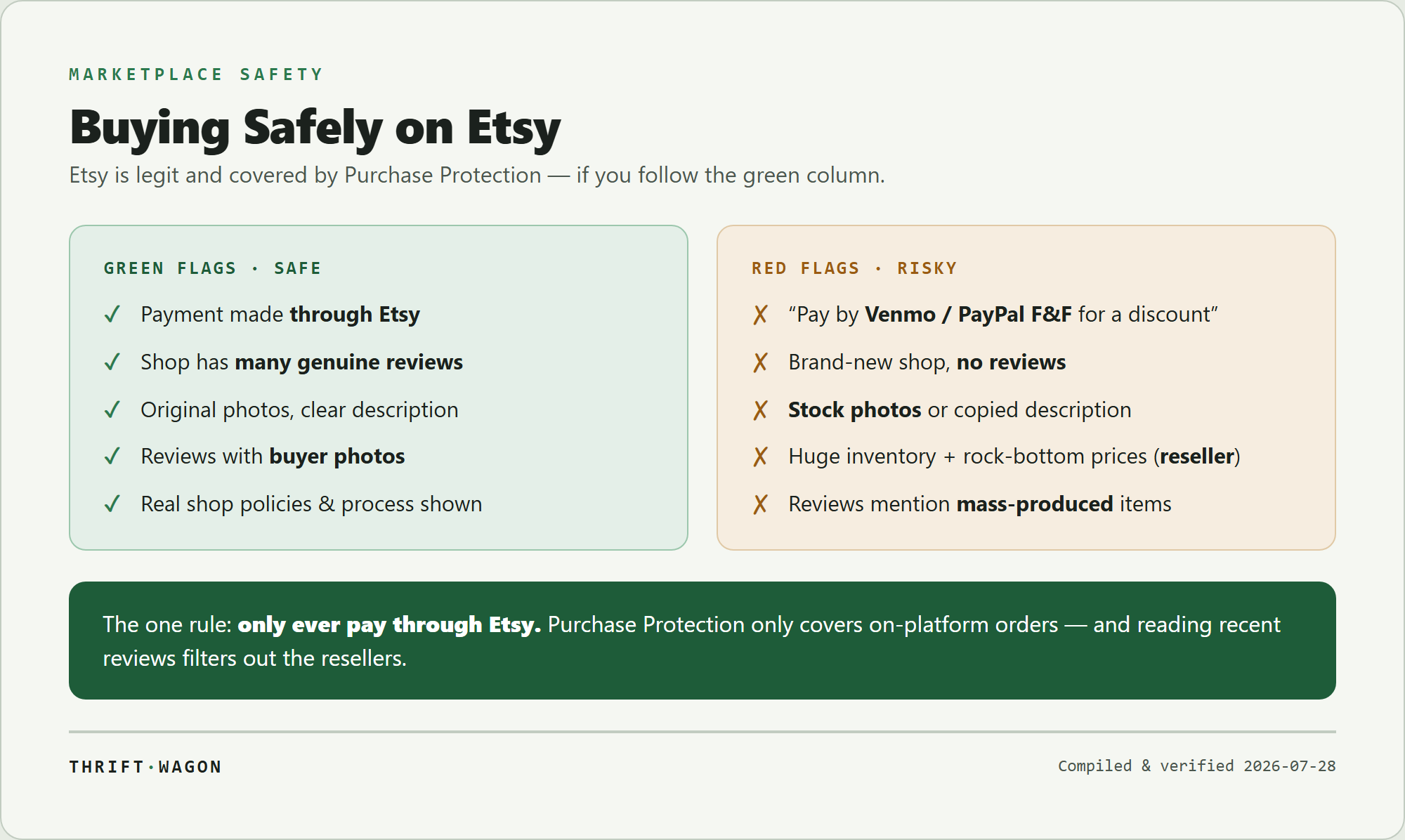
Green flags:
- An established shop with many genuine reviews, ideally with buyer photos.
- Original photos of the actual item and a clear, specific description.
- Reasonable, on-market pricing and a real shop policy on shipping and returns.
- Responsive, normal communication through Etsy.
Red flags:
- A brand-new shop with no reviews listing high-value or ‘too cheap’ items.
- Stock photos or descriptions copied from elsewhere.
- Any request to pay or talk off Etsy.
- Reviews mentioning items that arrived mass-produced, damaged, or not as described.
Read the recent reviews, not just the star rating — they are the single best signal of whether a shop delivers what it promises. When a shop checks out, buy with confidence; when red flags stack up, move on.
Is buying handmade really handmade?
This is the question that most shapes an Etsy buyer’s experience, and the honest answer is: usually, but not always.
Etsy’s rules require handmade items to be made or designed by the seller, and many shops are genuine one-person studios and small makers. But enforcement is imperfect, and some shops resell mass-produced or dropshipped goods listed as handmade. You are not being defrauded of your money — you get a product — but you may not get the handcrafted item you pictured.
How to buy genuine handmade with confidence:
- Read recent reviews, especially ones with photos, which reveal what buyers actually received.
- Look at the shop’s story and process photos; real makers usually show their work.
- Be wary of a shop with huge inventory, identical stock-style photos, and rock-bottom prices, which can signal reselling.
- If authenticity matters, message the seller about their process before buying.
For most shops, handmade is handmade. A little checking filters out the resellers.

Selling on Etsy safely
Etsy is legitimate to sell on, and sellers face their own version of transaction risk. The same discipline protects you:
- Keep everything on Etsy. Off-platform deals void seller protection, and steering buyers off Etsy can get your shop suspended.
- Describe and photograph honestly. Most ‘not as described’ cases come from vague listings; accurate photos and descriptions prevent disputes.
- Ship on time with tracking so ‘item not received’ claims have a clear answer, and meet your stated processing times.
- Watch for phishing and off-platform buyer requests, and never share your password or verification codes.
Etsy’s Purchase Protection also has a seller side, resolving many eligible cases without cost to you. For a full walkthrough of listing and pricing, see our guide to selling on Etsy and our breakdown of Etsy’s seller fees.
Keeping your account secure
Beyond individual orders, protect the account itself:
- Enable two-factor authentication, so a leaked password alone cannot get someone in.
- Ignore phishing. Etsy will not ask for your password or a code by email or message. ‘Your account is suspended, click here’ is the classic account-takeover route — log in directly instead.
- Never share verification codes, even with someone claiming to be a buyer or Etsy support.
- Use a strong, unique password so a breach elsewhere does not open your Etsy account.
Account security is the layer beneath transaction safety: even a careful buyer or seller loses if the account is compromised. These habits take minutes and close off the most common non-transaction attacks.
So, should you use Etsy?
Yes. Etsy is a legitimate, established marketplace with real buyer protection, and for handmade goods, vintage, and craft supplies it is one of the best places to buy and sell. The scams that exist are well known and mostly avoidable, and the one Etsy-specific wrinkle — resellers posing as handmade — is easy to filter with a minute of review-reading.
The formula is simple. As a buyer: pay only through Etsy, buy from shops with genuine reviews, and read those reviews to confirm you are getting what you expect. As a seller: keep everything on Etsy, describe items honestly, and ship on time with tracking.
Treat Etsy as what it is — a huge marketplace of independent sellers, most of them honest makers, plus a minority of resellers and a few bad actors running predictable plays — and you can buy and sell on it with confidence.
Frequently asked questions
Is Etsy legit and safe to buy from?
Yes. Etsy is an established, publicly traded marketplace, and qualifying orders are covered by Etsy Purchase Protection when you pay through Etsy. Buying is safe as long as you keep payment and messaging on Etsy, buy from shops with genuine reviews, and read recent reviews to confirm quality.
How does Etsy Purchase Protection work?
For qualifying orders paid through Etsy, if an item never arrives, arrives damaged, or is not as described, you first contact the seller. If it is not resolved after 48 hours, you can ask Etsy to step in, and Etsy can refund the buyer on eligible cases. It does not cover off-platform payments or buyer’s remorse.
Is everything on Etsy really handmade?
Usually, but not always. Etsy requires handmade items to be made or designed by the seller, and many shops are genuine makers, but some resell mass-produced or dropshipped goods listed as handmade. Reading recent reviews with photos and checking the shop’s process is the best way to confirm you are buying genuine handmade.
What is the most common Etsy scam?
Being asked to pay outside Etsy — by PayPal Friends and Family, Venmo, or bank transfer, often for a ‘discount.’ Off-platform payments have no protection at all. Keeping every payment and message on Etsy avoids the large majority of scams and is against Etsy’s own rules to move off.
Is it safe to sell on Etsy?
Yes. Etsy is legitimate to sell on, with seller-side Purchase Protection on eligible cases. Keep everything on Etsy, describe and photograph items honestly, ship on time with tracking, and watch for phishing. Off-platform deals void seller protection and can get a shop suspended.
What should I do if an Etsy order goes wrong?
Contact the seller first through Etsy with a Help request describing the problem. If it is not resolved after 48 hours, you can ask Etsy to step in. For qualifying orders paid through Etsy, Etsy can refund the buyer on eligible cases. Keep all communication on Etsy so there is a record.
What sellers are reporting
Etsy buyers on community forums repeatedly warn that the most common disappointment is receiving mass-produced items listed as handmade, and advise reading recent reviews with photos before buying to filter out resellers.
— members of the r/Etsy community, community post
Reviews describe Etsy’s Purchase Protection resolving non-delivery and not-as-described cases with refunds, while complaints cluster around resellers and off-platform payment requests.
— reviewers on Trustpilot, review
What this guide does not cover
This guide covers buying and selling safely on Etsy in the US; Purchase Protection terms, coverage amounts, and processes can change and differ by country, so confirm current details in Etsy’s help center. It is general guidance, not legal or financial advice, and it does not assess the authenticity of specific items.
Sources
- Etsy Purchase Protection can refund buyers on qualifying orders that never arrive, arrive damaged, or are not as described, after contacting the seller and, if unresolved in 48 hours, asking Etsy to step in. — Etsy Help
- Etsy is a marketplace for handmade items, vintage goods at least 20 years old, and craft supplies, with purchases paid through Etsy Payments. — Etsy
- Marketplace fee comparison across eBay, Poshmark, Etsy, Mercari, and Depop. — Thrift Wagon