Is Whatnot Legit? The Complete 2026 Safety Guide
Verified 2026-07-27
Yes, Whatnot is legit. It is a venture-backed live-shopping marketplace, founded in 2019 and based in Los Angeles, with buyer protection on eligible orders and authentication on categories like trading cards and sneakers. As with any marketplace, the risk is not the platform but individual sellers and the fast pace of live auctions. This guide explains how Whatnot works, exactly what its protection covers, its 2026 fees, every common scam, and how to buy and sell without getting burned.

Key takeaways
- Whatnot is a legitimate, well-funded company; the real risks come from individual sellers and from bidding too fast in live auctions.
- Buyer protection and authentication only apply to payments made inside Whatnot, so keeping every payment on the platform is non-negotiable.
- In 2026 sellers pay roughly an 8% commission (5% on electronics) plus payment processing of 2.9% + $0.30, and the buyer protection fee is paid by the buyer.
- The live format is designed to create urgency; setting a hard maximum bid before a show starts is the main defense against overpaying.
- For graded cards, sneakers, and luxury, buy from established sellers and lean on Whatnot’s authentication rather than trusting a stream alone.
Is Whatnot legit? The short answer
Whatnot is a legitimate company, not a scam app. It was founded in 2019, is headquartered in Los Angeles, and has raised more than $700 million in venture capital from major investors including Andreessen Horowitz and Y Combinator, reaching a multi-billion-dollar valuation. It is real infrastructure with real funding, not a fly-by-night operation.
What makes Whatnot different from a classic marketplace is the format: it is live shopping. Sellers host live video streams — "shows" — and sell items in real time through auctions and buy-it-now, most heavily in trading cards, sneakers, streetwear, comics, coins, and collectibles.
That live, fast-moving format is where the nuance lives. The platform is safe and backed by buyer protection, but the combination of individual sellers and auction urgency creates risks a static listing never has. So Whatnot is legit — and buying on it is safe if you keep payments on-platform, buy from sellers with a track record, and keep your head during the auction.
How Whatnot works (live shopping)
On Whatnot, sellers go live and present items on camera. Buyers watch, chat, and purchase in two main ways: live auctions, where the price rises with bids and a countdown, and buy-it-now listings pinned during or outside a show.
When you win or buy, you pay inside the app, and Whatnot processes the payment. The seller ships the item, and Whatnot’s buyer protection and (for eligible categories) authentication sit on top of that on-platform payment. Because everything runs through Whatnot, the platform can hold sellers accountable, mediate disputes, and issue refunds when something goes wrong.
The live element is the draw and the risk. It makes buying social and fun, and it lets you ask a seller to show a card’s corners or a shoe’s stitching on camera before you bid. But it also runs on countdowns and momentum, which is exactly what pushes people to bid past what an item is worth. Understanding both sides is the key to using it well.

Whatnot Buyer Protection: exactly what is covered
Eligible purchases on Whatnot are covered by Whatnot Buyer Protection, funded by the buyer protection fee. It covers you when an item:
- Never arrives.
- Arrives damaged.
- Is not as described — materially different from what the seller showed or stated.
If any of those happen, you file a claim through the app and, for a valid claim, you are refunded. On top of that, Whatnot offers authentication on eligible high-risk categories such as trading cards, sneakers, and luxury goods, where items are checked before or as part of the sale to confirm they are genuine.
The limits matter. Protection applies to on-platform payments only — anything paid off Whatnot is uncovered. And protection is not a change-of-mind return policy: "I got caught up in the auction and overpaid" is not a covered claim. It protects you against being cheated, not against your own bidding. That distinction is why the auction-discipline section below exists.
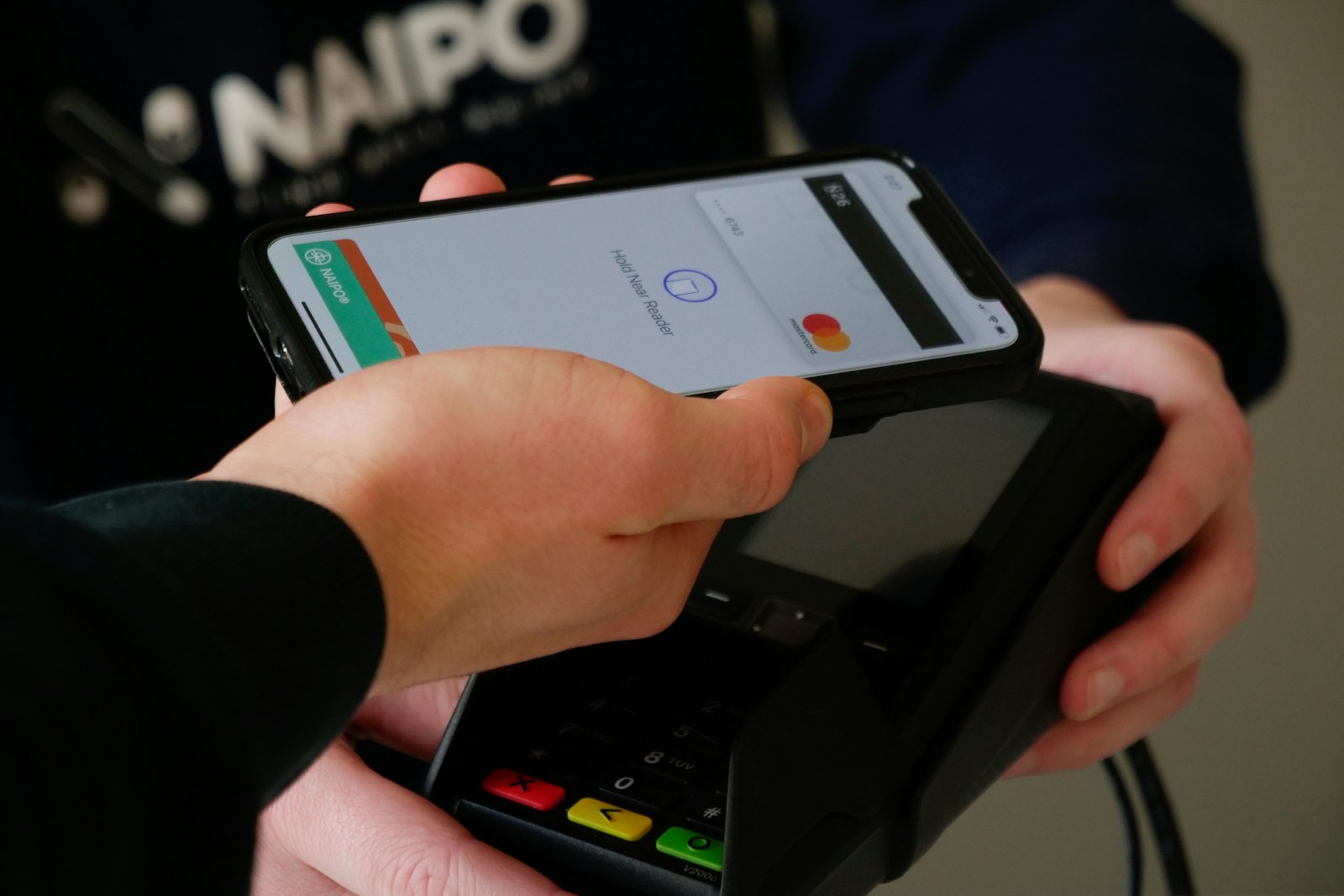
The one rule that keeps you safe: keep every payment on Whatnot
The single most important habit on Whatnot is this: never pay a seller outside the app.
Every layer of protection Whatnot provides — the refund process, authentication, dispute mediation — is attached to the payment going through Whatnot. A seller who asks you to send money by PayPal Friends and Family, Venmo, Cash App, or Zelle to "skip the fees" or "finish the deal off-stream" is asking you to give up all of it. There is no recourse on an off-platform payment; if the item never comes or is fake, the money is simply gone.
This shows up constantly around high-value cards and sneakers, where a seller offers a "better price" if you deal directly. Treat any off-platform request as an automatic no, and if a seller pushes it, report them. Keeping the payment on Whatnot is what turns "a stranger on a live stream" into "a protected transaction."
Whatnot’s fees in 2026
Whatnot’s fees are straightforward, and getting them right matters whether you sell or you are judging a seller’s pricing.
For sellers in the US (and Canada and Australia):
- A commission of about 8% of the sale on most categories, with electronics at 5%.
- Payment processing of 2.9% + $0.30 on the order total.
- Since January 14, 2026, a promotional 0% commission on the portion of an individual order above $1,500 in select categories — so on a big-ticket card or watch, the commission only applies to the first $1,500.
For buyers, the buyer protection fee is paid by the buyer and does not reduce the seller’s payout. So a seller keeps the sale price minus roughly 8% commission and processing, while the buyer pays the hammer price plus the protection fee. For how this compares with eBay, Poshmark, Mercari, and Depop, see our marketplace fee comparison.
The common Whatnot scams and risks, in detail
Most problems on Whatnot fall into a few recognizable buckets.
Off-platform payment
The headline risk, covered above: any deal moved off Whatnot loses all protection. It is the most common way people lose real money.
Misrepresented condition or grade
In cards especially, a seller may present a raw card as near-mint when it has flaws the camera hides, or imply a grade it has not earned. Buy graded slabs from reputable graders, and use authentication for high-value raw cards.
Counterfeits
Fake sneakers, altered or trimmed cards, and replica luxury items surface in every collectibles market. Whatnot’s authentication on eligible categories is the defense; a seller steering you away from it is a red flag.
Shill bidding
Inflating an auction with fake bids to push the price up. It is against the rules and hard to prove, which is why setting your own maximum before a show matters more than watching the other bidders.
Low-value "rips" and mystery products
Breaks, mystery boxes, and pack rips are entertainment as much as buying; the expected value is often below what you pay. That is not fraud, but treat it as paying for a show, not investing.

How to spot a risky seller or show before you bid
You can screen a Whatnot seller quickly, and doing it before you bid is far easier than clawing money back after.
Green flags:
- A profile with real ratings and a history of completed shows.
- A seller who shows items clearly on camera — corners, flaws, authentication — and answers questions.
- Prices and grading claims that are consistent with the wider market.
- Willingness to use authentication on eligible items.
Red flags:
- A new account with few reviews running high-value auctions.
- Any push to pay or continue off Whatnot.
- Reluctance to show detail on camera, or vague, rushed condition claims.
- Grades or "deals" that are too good for the category.
When the seller and the show check out, bid with confidence. When they do not, close the stream — there is always another show.

What to do if something goes wrong: claims and refunds
If an item never arrives, shows up damaged, or is not what the seller represented, the process is built into the app — as long as you paid on Whatnot.
- Do not arrange anything off-platform to "sort it out." Keep it in Whatnot.
- Open the order and file a claim, choosing the reason (not received, damaged, or not as described).
- Add evidence — photos of the item and packaging, and screenshots of what the seller claimed on stream or in chat.
- Whatnot reviews the claim and, if it is valid, refunds you; for authenticated categories, the authentication result carries weight.
Because the payment ran through Whatnot, a genuine problem reported promptly is well protected. This is the entire payoff of the "keep every payment on Whatnot" rule — there is a real process behind it.
Selling on Whatnot safely
For sellers, the live format is a powerful way to move inventory, and a few habits keep it clean.
- Show everything on camera. Present flaws, corners, and authentication openly. Most disputes come from buyers feeling misled, and honest streaming prevents them.
- Ship promptly with tracking so "item not received" claims have a clear answer.
- Price and grade honestly. Overstating a card’s condition to win a sale invites a not-as-described claim you will lose.
- Keep everything on-platform. Off Whatnot you lose seller protection too, and steering buyers off-app can get you banned.
- Understand the fee math — roughly 8% commission plus processing — so your pricing leaves a margin.
Selling well on Whatnot is mostly about being the kind of seller the "green flags" list describes.

Live-auction discipline: not getting burned by FOMO
The most common way people lose money on Whatnot is not a scam at all — it is overpaying in the heat of a live auction. The format is engineered for urgency: countdowns, a live chat cheering things on, and the feeling that the item is one-of-a-kind and going now.
The fix is boring and effective: decide your maximum before you bid, and stop there. Look up recent sold prices for the item (for cards and collectibles, comps are easy to find) so you know what it is actually worth. Factor in the buyer protection fee and shipping. Then set that number as a hard ceiling and let the item go if bidding passes it.
There is always another card, another pair, another show. Treating each auction as replaceable is what keeps Whatnot fun instead of expensive.
Is Whatnot safe for trading cards and sneakers?
These are Whatnot’s biggest and highest-risk categories, and the answer is yes — with the right precautions.
For trading cards, prefer graded slabs from recognized graders, where the grade is the guarantee. For valuable raw cards, use authentication and buy from sellers with strong histories; trimming, alteration, and over-graded raw cards are the main hazards. For sneakers, counterfeits are the risk, so rely on Whatnot’s authentication for eligible pairs and be wary of "deals" well under market.
Across both, the pattern is the same: the platform gives you real tools — authentication, buyer protection, seller history — but they only work if you use them and keep the payment on Whatnot. A seller who resists authentication or wants to deal off-app has told you everything you need to know.

So, should you use Whatnot?
Yes. Whatnot is a legitimate, well-funded live-shopping marketplace with genuine buyer protection and authentication, and for collectors it is one of the most engaging ways to buy. The risks are real but specific: off-platform payments, misrepresented items, and your own bidding.
The formula is simple. Keep every payment on Whatnot, buy from sellers with a track record, use authentication on high-value cards and sneakers, and set a hard maximum before any auction so the format’s urgency cannot push you past it.
Do that, and Whatnot’s protections do their job — and the live, social side becomes the fun part rather than the expensive one.
Frequently asked questions
Is Whatnot legit and safe to buy from?
Yes. Whatnot is a venture-backed company founded in 2019, and eligible purchases are covered by buyer protection plus authentication on categories like cards and sneakers. Buying is safe as long as you pay inside the app and buy from sellers with real reviews and history.
How does Whatnot work?
Sellers host live video ‘shows’ and sell items through real-time auctions and buy-it-now. You pay inside the app, Whatnot processes the payment, and the seller ships. Buyer protection and authentication sit on top of that on-platform payment, which is why keeping payments on Whatnot matters.
What are Whatnot’s fees in 2026?
Sellers pay about an 8% commission on most categories (5% on electronics) plus payment processing of 2.9% + $0.30. Since January 2026, commission is 0% on the portion of an order above $1,500 in select categories. The buyer protection fee is paid by the buyer, not the seller.
Is Whatnot safe for buying trading cards?
Yes, with care. Prefer graded slabs from recognized graders, use Whatnot’s authentication for valuable raw cards, and buy from sellers with strong histories. The main risks are over-graded raw cards, trimming, and alteration, all of which authentication and grading address.
What is the most common way people lose money on Whatnot?
Two things: paying a seller off-platform, which voids all protection, and overpaying in a live auction. Keep every payment inside Whatnot, and set a hard maximum bid before a show based on real sold prices, then stop there.
Can I get a refund on Whatnot?
Yes, for eligible on-platform orders. If an item never arrives, is damaged, or is not as described, file a claim in the app with photos and evidence. Whatnot reviews it and refunds valid claims. Off-platform payments and change-of-mind or auction-regret purchases are not covered.
What sellers are reporting
Buyers on Whatnot’s community forums repeatedly warn that the biggest losses come from paying sellers off-platform and from overbidding in the heat of live auctions, rather than from the platform itself.
— members of the r/whatnot community, community post
Reviews describe Whatnot’s buyer protection and authentication resolving not-as-described and counterfeit disputes with refunds, while complaints cluster around individual sellers and off-app deals.
— reviewers on Trustpilot, review
What this guide does not cover
This guide covers buying and selling safely on Whatnot in the US; fees, buyer protection terms, and authentication eligibility can change and can differ by country and category, so confirm current details in Whatnot’s help center. It is general guidance, not legal or financial advice, and it does not value specific cards or collectibles.
Sources
- Whatnot charges sellers roughly an 8% commission on most categories and 5% on electronics, plus 2.9% + $0.30 payment processing. — Whatnot Help Center
- Since January 14, 2026, Whatnot charges 0% commission on the portion of an individual order above $1,500 in select categories. — Whatnot Help Center
- Marketplace fee comparison across eBay, Poshmark, Etsy, Mercari, and Depop. — Thrift Wagon