Etsy vs eBay (2026): Which Should You Sell On?
Verified 2026-08-01
Etsy and eBay are both large marketplaces, but they suit very different products. Etsy is for handmade goods, vintage items, and craft supplies, sold to buyers looking for something unique. eBay is for almost everything, and is strongest for used, niche, and collectible items that buyers search for by name. The decision is mostly about what you sell, with fees and audience as the tiebreakers. This guide compares what you can sell on each, their fees, and their audiences, with a worked example.

Key takeaways
- Etsy is for handmade, vintage (20+ years old), and craft supplies; eBay is for almost anything, especially used, niche, and collectible goods.
- The right choice is driven mostly by what you sell, not by fees, because the two marketplaces serve different products and buyers.
- On a typical low-priced sale Etsy’s fees are lower, but eBay reaches a huge search-driven audience for used and hard-to-find items.
- Etsy buyers browse for unique and handmade; eBay buyers usually search for a specific item they already want.
- Many sellers use both, matching each product to the marketplace whose buyers want it.
Etsy vs eBay: the short answer
Both are legitimate, established marketplaces, and the right one depends almost entirely on what you sell.
Choose Etsy if you sell handmade goods, vintage items (at least 20 years old), craft supplies, or digital products, and you want buyers who are shopping for something unique. Choose eBay if you sell used, niche, collectible, or hard-to-find items, electronics, parts, or general goods, and you want the reach of a massive search-driven marketplace.
The two overlap only a little (mainly vintage and some craft items), so this is less a head-to-head than a question of fit. Fees and audience are the tiebreakers: Etsy’s fees are lower on a typical low-priced item, while eBay brings enormous search demand for exactly the used and collectible goods Etsy is not built for. The rest of this guide breaks each down.
What you can sell on each
This is the decisive difference, because the two marketplaces allow different products.
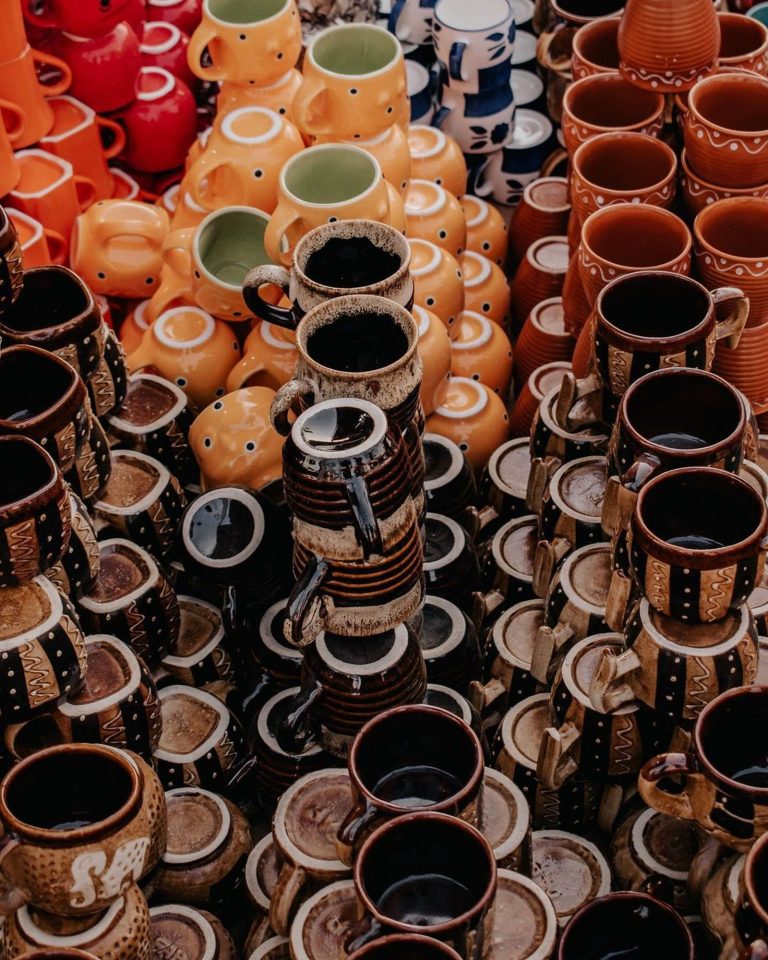
Etsy is limited to three things: handmade items (made or designed by the seller), vintage items at least 20 years old, and craft supplies. It is also strong for digital products like printables and templates. If your product does not fit those categories, it does not belong on Etsy.
eBay allows almost everything (within its policies): used and new goods, electronics, collectibles, trading cards, sneakers, tools, auto and appliance parts, media, and general items. It is especially strong for used, niche, and hard-to-find things that buyers search for by exact model or name.
So the first question answers itself for most sellers: a handcrafted candle, a custom print, or a genuine vintage dress belongs on Etsy; a used camera, a video game, a collectible card, or a car part belongs on eBay. Match the product to the marketplace that actually allows and wants it.

Fees compared in 2026
The fee structures are different, and worth understanding even though what you sell matters more.
Etsy charges a $0.20 listing fee per item, a 6.5% transaction fee on the sale (including shipping), and payment processing of roughly 3% plus $0.25 in the US. Together these come to about 10 to 12 percent of a sale, plus the small listing fee.
eBay charges a final value fee of around 13.6% for most categories (it varies by category), plus a per-order fee of $0.30 to $0.40. Without a store subscription you get 250 free listings a month.
So on a $30 sale, Etsy’s fees are roughly $3.30 while eBay’s are roughly $4.48. Etsy is cheaper on a typical low-priced item. But this is not a like-for-like comparison, because the platforms sell different products to different buyers, so treat fees as a tiebreaker, not the deciding factor. For a full breakdown, see our guides to Etsy’s fees and eBay’s fees.

Who is buying: audience and intent
Fees decide margin, but audience decides whether an item sells at all, and the two marketplaces attract different shoppers.
Etsy buyers browse for the unique. They come looking for handmade, personalized, and vintage items, gifts, and craft supplies, and they are often willing to pay more for something original and well-made. Discovery is style-led and gift-driven, and buyers frequently do not have one exact item in mind.
eBay buyers usually search for something specific. They come knowing the model, brand, part number, or card they want, and they compare listings and prices. Intent is high and precise, which is why eBay is unbeatable for used, niche, and collectible goods.
Match the product to the intent: a handmade or personalized item thrives on Etsy’s browse-for-unique audience, while a specific used or collectible item thrives on eBay’s search-for-exactly-this audience. Selling a mass-produced generic item on Etsy, or expecting Etsy prices for a used gadget, is the most common mismatch.

How buyers find you, and the selling experience
The way you get discovered differs, and it shapes the work each platform asks for.
On Etsy, discovery runs on Etsy search and Google, so listings win on titles, tags, item attributes, and photography. Etsy is fixed-price, and the craft of selling is strong SEO within Etsy plus appealing, well-shot listings. It rewards a polished shop and good keywords.
On eBay, discovery runs on eBay search, where buyers filter by exact item, condition, and price. eBay offers both fixed-price (Buy It Now) and auctions, the latter useful for rare or hard-to-price items. The craft is a precise, keyword-rich title, accurate item specifics, and pricing from real sold listings.
Neither is harder, they are different jobs. Etsy rewards a cohesive, well-photographed, well-tagged shop; eBay rewards precise listings and data-based pricing. Pick the one whose work fits your product and how you like to sell.

What Etsy is best for
Etsy is the better choice when:
- You sell handmade goods you make or design yourself.
- You sell vintage items at least 20 years old, or craft supplies.
- You sell digital products like printables, templates, or patterns, which have near-zero cost and no shipping.
- You want buyers who are shopping for something unique and will pay for originality.
Etsy’s lower fees on typical items and its gift-and-unique audience make it the natural home for makers and for personalized products. The catch is the strict category limits: if your item is not handmade, vintage, or a craft supply, Etsy is not the place. For makers with the right product, though, it is one of the best marketplaces there is, and its digital-product side is especially efficient. For a full walkthrough, see our guide to selling on Etsy.
What eBay is best for
eBay is the better choice when:
- You sell used, secondhand, or refurbished goods.
- You sell niche, collectible, or hard-to-find items: electronics, trading cards, sneakers, tools, parts, and media.
- You want the reach of a massive, search-driven audience of buyers who know exactly what they want.
- You want the option of auctions for rare or hard-to-price items.
eBay’s enormous demand for used and collectible goods, and its strength in categories Etsy does not allow (like electronics and parts), make it the natural home for reselling and for anything specific and searchable. Its fees are higher on a typical low-priced item, but the audience and reach for the right product more than justify it. For a full walkthrough, see our guide to selling on eBay.
Can you sell on both, and which should you choose?
Yes, and many sellers do, because the two rarely compete. A maker might sell handmade items on Etsy and use eBay to clear used gear or vintage finds; a reseller might use eBay for everything and Etsy only for genuine vintage or craft supplies. Since the product lines barely overlap, running both is about matching each item to the right marketplace rather than cross-listing the same thing.
So, which should you choose? Start with your product. If it is handmade, vintage, a craft supply, or digital, choose Etsy. If it is used, niche, collectible, electronic, or general goods, choose eBay. Only in the small overlap (vintage, some craft items) do fees and audience become the tiebreaker, and there Etsy is cheaper on low-priced items while eBay offers more search reach.
Both are legitimate and both can work. The win is not picking a ‘better’ marketplace, it is putting each product where its buyers actually shop.

Frequently asked questions
Is Etsy or eBay better for selling?
It depends entirely on what you sell. Etsy is better for handmade goods, vintage items, craft supplies, and digital products, sold to buyers looking for something unique. eBay is better for used, niche, and collectible items, electronics, and parts, sold to a search-driven audience. Match the product to the marketplace that allows and wants it.
What is the difference between Etsy and eBay?
Etsy only allows handmade items, vintage goods at least 20 years old, and craft supplies, with a browse-for-unique audience. eBay allows almost anything, especially used and collectible goods, with a search-driven audience. Etsy’s fees are lower on typical items; eBay offers far more reach for used and hard-to-find things.
Is Etsy or eBay cheaper?
On a typical low-priced sale, Etsy is cheaper: about 10 to 12 percent plus a $0.20 listing fee, versus eBay’s roughly 13.6% plus a $0.30 to $0.40 per-order fee. But the platforms sell different products to different buyers, so fees are a tiebreaker, not the deciding factor. Sell where your product’s buyers actually shop.
Can I sell used items on Etsy?
Generally no. Etsy only allows handmade items, vintage goods at least 20 years old, and craft supplies. A used modern item, like a secondhand phone or a recent-model appliance, belongs on eBay, not Etsy. Genuine vintage (20+ years old) can be sold on Etsy in its vintage category.
Can I sell on both Etsy and eBay?
Yes, and many sellers do, since the two rarely compete. A maker might sell handmade items on Etsy and clear used gear on eBay; a reseller might use eBay for most things and Etsy only for vintage or craft supplies. It is about matching each product to the right marketplace, not cross-listing the same item.
Which has more buyers, Etsy or eBay?
eBay has a larger overall audience and far more search demand, especially for used and collectible goods. Etsy has a large, focused audience specifically for handmade, vintage, and craft products. More buyers does not mean better for you, because reach only matters if those buyers want what you sell.
What sellers are reporting
Sellers who use both platforms consistently report that the choice comes down to the product: handmade, vintage, and craft items sell on Etsy, while used, niche, and collectible items sell far better on eBay’s search-driven audience.
members of the r/Etsy and r/Flipping communities, community post
Makers frequently note that Etsy rewards strong search terms and photography while eBay rewards precise item specifics and pricing from real sold listings.
members of the r/Flipping community, community post
What this guide does not cover
This compares Etsy and eBay for US sellers in 2026; fees, category rules, and features change, so confirm current details on each platform. Audience and category strengths are general tendencies, not guarantees for a specific item. This is general guidance, not financial advice.
Sources
- eBay’s final value fee is around 13.6% for most categories plus a per-order fee, with 250 free listings a month without a store. (eBay Help)
- Breakdown of Etsy’s seller fees, including the listing, transaction, and processing fees. (Thrift Wagon)
- Marketplace fee comparison across eBay, Poshmark, Etsy, Mercari, and Depop. (Thrift Wagon)