How to Sell on Whatnot in 2026: A Live Selling Guide
Verified 2026-08-01
Selling on Whatnot means going live: you host a real-time video show and sell items through auctions and buy-it-now while buyers watch and bid. Getting started is quick, you apply to sell in a few minutes, then plan a show, go live, and Whatnot provides prepaid shipping labels. The trade-off is a commission of roughly 8% plus payment processing. This complete beginner’s guide walks through applying, deciding what to sell, planning and running your first show, shipping, and exactly what Whatnot’s 2026 fees are.

Key takeaways
- Whatnot is live selling: you host a video show and sell in real time through auctions and buy-it-now.
- You apply to sell in a few minutes by tapping Sell in the app, providing ID and links to your other selling profiles; most sellers are approved quickly.
- Sellers pay roughly an 8% commission (5% on electronics) plus payment processing of 2.9% plus $0.30, and commission is 0% on the part of an order above $1,500.
- Whatnot provides prepaid shipping labels, so you print, pack, and drop off or schedule a pickup.
- The fastest way to sell is a well-planned show with clear on-camera items, engaged chat, and fair starting bids.
Is selling on Whatnot worth it?
For collectors and resellers who can present on camera, yes. Whatnot is the largest live-shopping marketplace, strongest in trading cards, sneakers, streetwear, comics, coins, and collectibles, and the live format moves inventory fast because it is social and creates urgency. A good show can sell dozens of items in an hour.
The honest trade-off is that live selling is work and a skill. You have to schedule shows, present items clearly, keep the chat engaged, and be comfortable on camera. And the fees, roughly 8% commission plus payment processing, are real, though competitive for a platform that brings a live, ready-to-buy audience.
Where Whatnot shines is turning a pile of cards, shoes, or collectibles into sales through the energy of a live auction. Where it disappoints is a seller who lists a quiet, unplanned show and expects it to sell itself. If you have the right inventory and can host, Whatnot is genuinely worth it.
What you need before you start
Live selling has a few more requirements than a static listing. Have ready:
- The Whatnot app and a free account.
- A bank account and ID for the seller application and payouts.
- Inventory to sell in a strong Whatnot category (cards, sneakers, collectibles, and similar).
- A phone and a simple setup for going live: good lighting (a ring light helps), a stable stand or tripod, and a clear background.
- A plan for the show: which items, starting prices, and roughly how long.
You do not need studio gear to start, just a phone, decent light, and organized inventory. The application is quick and most sellers are approved shortly after applying. The real preparation is on the inventory and the show plan, because a smooth, well-lit, well-paced live is what converts viewers into buyers.
Step 1: Apply to sell on Whatnot
Whatnot requires a quick seller application before you can go live:
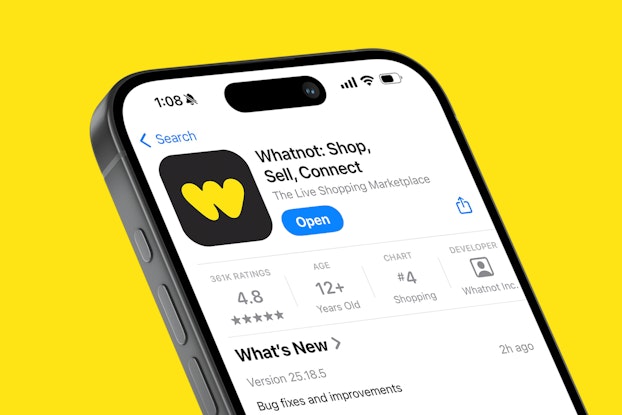
- Create a Whatnot account and, on the home screen, tap + Sell to start the application.
- Provide your details: your legal name as it appears on your government ID, proof of identity, and links to your other selling profiles (eBay, Poshmark, Mercari, or similar) plus your selling experience.
- Submit and get approved. The application takes a few minutes, and most sellers receive access shortly after applying.
You must be in a supported country and at least 13 (with a guardian’s permission if 13 to 17). A few categories, such as Luxury Bags and Accessories and Wholesale, require additional approval after you are granted seller access. Before your first show you also complete a quick seller verification. Once approved and verified, you can schedule and host shows.
Step 2: Decide what to sell
Whatnot’s audience is built around collectibles and hyped categories, so lead with what its buyers come for:
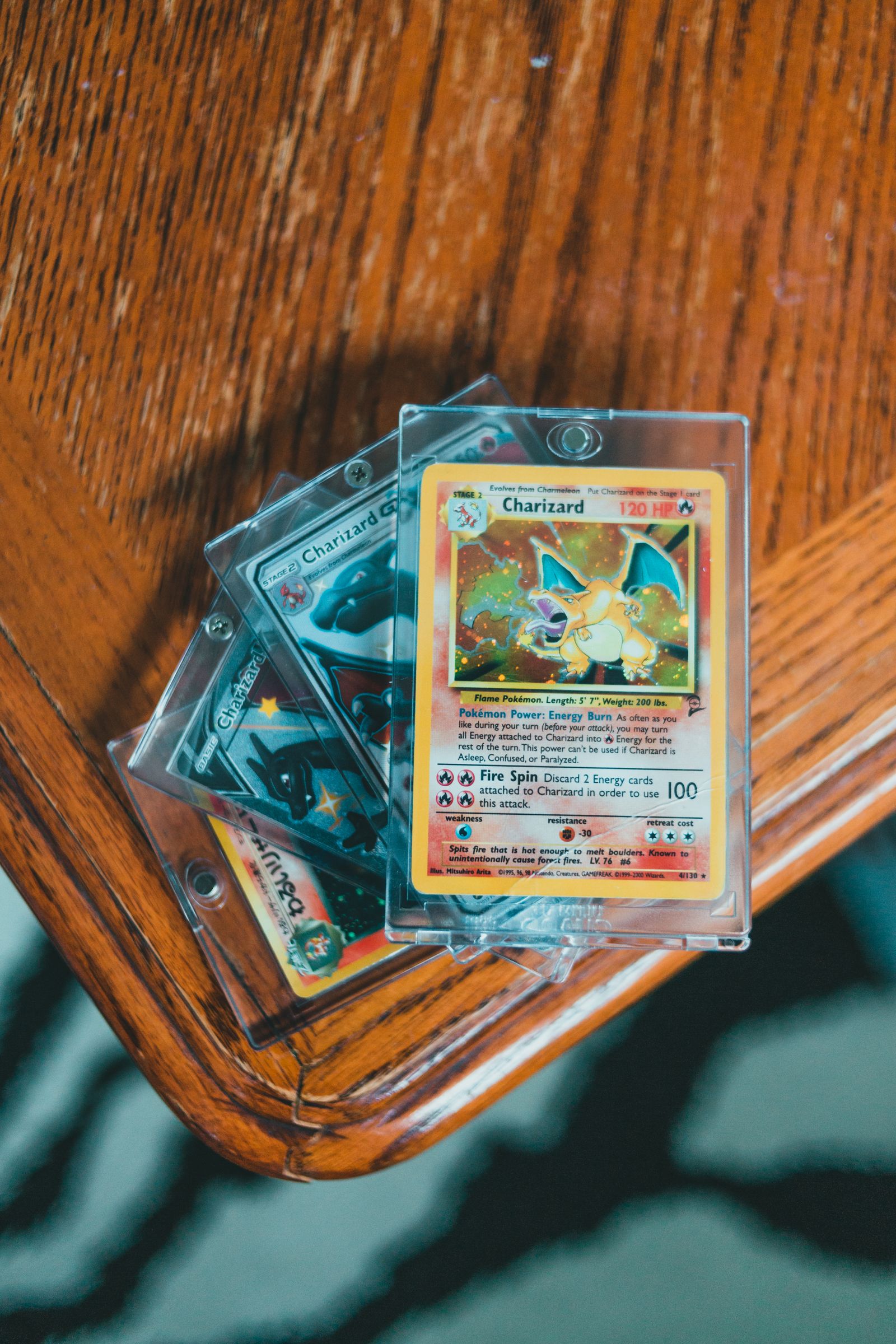
- Trading cards (sports, Pokemon and other games, non-sports).
- Sneakers and streetwear.
- Comics, coins, and other collectibles.
- Vintage and niche items with a clear collector market.
Before you plan a show, check what similar items actually sell for so your starting bids and buy-it-now prices are realistic, and so you know which items are worth featuring. Group your inventory into a coherent show theme (for example, one category or set) rather than a random mix, because focused shows attract the right buyers.
Start with items you can describe and present confidently on camera, and that have real demand. A show built on in-demand, well-priced inventory in a strong category is what pulls viewers in and keeps them bidding.
Step 3: Plan and schedule your first show
A good live sale is planned, not improvised:
- Schedule the show in advance in the app so it appears to followers and browsers, and pick a time when your audience is online (evenings and weekends tend to be strong).
- Line up your inventory in the order you will sell it, with starting prices decided ahead of time.
- Prepare your setup: charge your phone, set up lighting and a stand, and have packing supplies within reach.
- Write a short title and description that tells viewers exactly what the show features (the category, brands, or sets).
Planning matters because a live show runs in real time, and fumbling for the next item or the price kills the momentum. A tight, well-lit, well-sequenced show keeps viewers watching and bidding, which is the whole game on Whatnot. Even a modest first show builds followers who return for the next one.
Step 4: Go live and run the sale
When you go live, you are host, salesperson, and community manager at once. To run a smooth show:
- Show each item clearly on camera. Turn cards, shoes, or collectibles in the light and point out condition, so buyers trust what they are bidding on.
- Run auctions and buy-it-now. Set fair starting bids to get momentum going; a low opening bid often drives more bidding than a high one.
- Engage the chat. Greet viewers, answer questions, and keep energy up. Buyers stay and bid when a show feels lively.
- Keep it moving. Sell at a steady pace so viewers do not drift off between items.
Honesty on camera is also your protection: describe condition and flaws accurately, because misrepresenting an item invites a not-as-described claim. A clear, energetic, honest show is what turns watchers into repeat buyers.

Step 5: Shipping on Whatnot
Shipping is simple because Whatnot handles the labels:
- After a sale, Whatnot provides prepaid shipping labels. You print them, pack your items, and drop them off or schedule a pickup.
- Pack carefully, especially for cards and fragile collectibles, and ship promptly. Fast, careful shipping earns good ratings, which help future shows.
- Tracking is built in with the prepaid label, which protects you against false ‘item not received’ claims.
Because the labels are prepaid and provided, you do not weigh packages or buy postage separately for standard items. The main job on your side is packing well and shipping quickly after the show. Doing that reliably builds the seller reputation that brings viewers back, since buyers check a seller’s history before joining a live.

Understand Whatnot’s fees before you price
Price with Whatnot’s fees built in so your payout matches your expectation. In 2026, for US sellers:
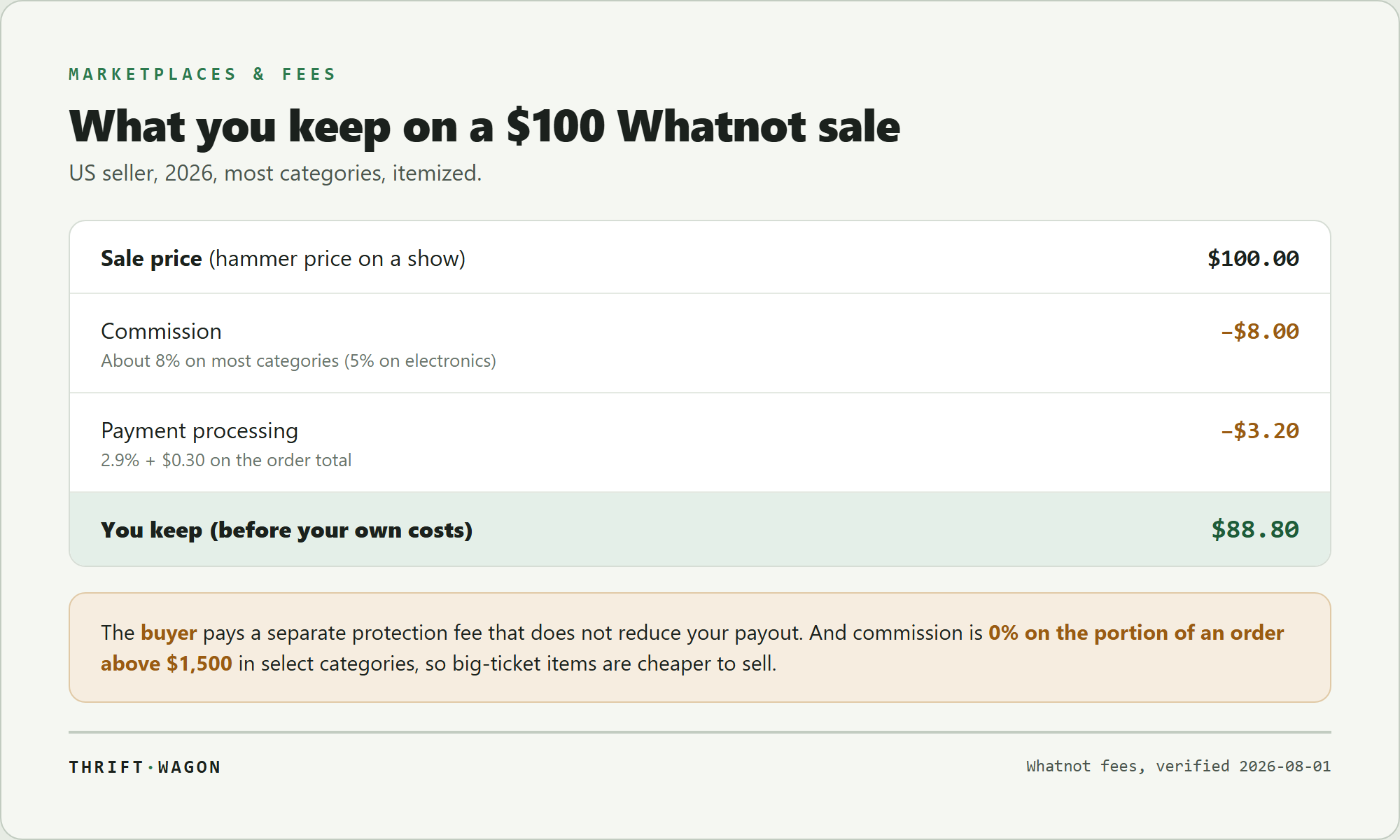
- A commission of about 8% of the sale on most categories, with electronics at 5%.
- Payment processing of 2.9% plus $0.30 on the order total.
- 0% commission on the portion of an individual order above $1,500 in select categories, so on a big-ticket item the commission only applies to the first $1,500.
The buyer pays a separate buyer protection fee, which does not reduce your payout. So on a $100 sale, you keep roughly $88.80 after commission and processing, before your own costs. Build the roughly 8% plus processing into your starting bids and buy-it-now prices. For how Whatnot’s fees compare with eBay, Poshmark, Mercari, and Depop, see our marketplace fee comparison, and for the safety picture, whether Whatnot is legit.
How to grow as a live seller, and mistakes to avoid
Growing on Whatnot is about consistency and reputation. Host regularly so followers know when to tune in, deliver a good experience (clear items, honest condition, fast shipping) so buyers return, and build a niche so the right collectors follow you. Over time, a reliable schedule and strong feedback compound into a steady audience.
The mistakes that slow beginners down:
- An unplanned, quiet show with no sequence or energy, which viewers leave quickly.
- Poor lighting or camera work, so buyers cannot judge the item.
- Starting bids too high, which kills the auction momentum a low opening bid creates.
- Overstating condition, which invites not-as-described claims you will lose.
- Slow shipping, the fastest way to earn poor ratings.
Avoid those, treat each show like the small event it is, and a beginner with the right inventory can build a real live-selling business on Whatnot.

Frequently asked questions
How do I become a seller on Whatnot?
Create a Whatnot account, tap + Sell on the home screen, and complete the seller application: your legal name and ID, plus links to your other selling profiles and your experience. It takes a few minutes and most sellers are approved shortly. A quick seller verification comes before your first live show.
How does selling on Whatnot work?
You host a live video show and sell items in real time through auctions and buy-it-now while buyers watch and bid. After a sale, Whatnot provides a prepaid shipping label to print, pack, and send. You are paid the sale price minus commission and payment processing once the order is complete.
What are Whatnot’s seller fees in 2026?
Sellers pay about an 8% commission on most categories (5% on electronics) plus payment processing of 2.9% plus $0.30. Commission is 0% on the portion of an order above $1,500 in select categories. The buyer pays a separate protection fee that does not reduce your payout, so on a $100 sale you keep roughly $88.80.
What sells best on Whatnot?
Trading cards (sports, Pokemon and other games, non-sports), sneakers, streetwear, comics, coins, and other collectibles, plus vintage and niche items with a clear collector market. Focused shows in one strong category attract the right buyers better than a random mix of items.
Does Whatnot provide shipping labels?
Yes. After a sale, Whatnot provides a prepaid shipping label. You print it, pack the item, and drop it off or schedule a pickup. Tracking is included, which protects you against false ‘item not received’ claims, so you do not buy postage separately for standard items.
How do I sell fast on Whatnot?
Plan and schedule your show, line up inventory with realistic starting prices, use a low opening bid to build auction momentum, show each item clearly on camera, and keep the chat engaged and the pace steady. Host regularly and ship fast so buyers follow you and return for future shows.
What sellers are reporting
New Whatnot sellers on community forums consistently report that a planned, well-lit show with low opening bids and an engaged chat sold far more than an improvised one, and that fast shipping and honest condition calls built the reputation that grew their audience.
members of the r/whatnot community, community post
Sellers frequently advise starting auctions low to build momentum and grouping inventory into a focused show theme rather than a random mix.
members of the r/whatnot community, community post
What this guide does not cover
This is a general getting-started guide for live selling on Whatnot in the US, not legal, tax, or financial advice. Fees, the application process, category approvals, and shipping can change and differ by country, so confirm current details in Whatnot’s help center. Whether your selling counts as a business for tax purposes depends on your situation.
Sources
- To sell on Whatnot you create an account and tap Sell to submit a seller application with ID and links to other selling profiles; some categories need additional approval, and Whatnot provides prepaid shipping labels. (Whatnot Help Center)
- Whatnot charges sellers roughly an 8% commission on most categories and 5% on electronics, plus 2.9% + $0.30 payment processing, with 0% commission above $1,500. (Whatnot Help Center)
- Marketplace fee comparison across eBay, Poshmark, Etsy, Mercari, and Depop. (Thrift Wagon)